PetExperta – Advice, Tips & Care for Dogs, Cats & Birds

Welcome to PetExperta, your trusted source for comprehensive pet care information. Whether you're a new pet owner or an experienced enthusiast, our site offers expert advice on health, nutrition, training, and behavior for dogs, cats, birds, and other companion animals.

Our mission is to help you keep your furry, feathered, and scaled friends happy and healthy through evidence-based information and practical tips.

Latest articles

All articles →

What is Catchy Clearance Sale Slogans (2024)?

How many Catchy Cupcake Bakery Names (2024)?

What Is a Hairless Rat and Why Do People Keep Them as Pets?

How Often Should You Change Cat Litter and Why It Matters?

How Does USAServiceDogs.org Work and Is It Legit?

How to Care for Otters as Pets & What You Should Know

Can Dogs Eat Cheetos? What Every Owner Should Know.

How to Choose the Best Rugs for Dogs and What Makes Them Durable & Stylish?

Embrace Pet Insurance: Pet Lovers Share Their Experiences

Comfortis Discontinued: Alternatives and What You Need to Know

How to Find a Lost Dog: Proven Strategies and Tips

Heartworm Prevention for Dogs Without Vet Prescription: Exploring the Options

How Often Should You Bathe Your Cat and What Are the Pros & Cons?

How Safe Is Pepperoni for Cats and What Pet Owners Should Know

What Causes Kitten Farting and How to Fix It.

How Much Does a Cat Cost? A Breakdown of Expenses.

My Kitten Hasn't Pooped in 2 Days: What to Do?

How to Choose the Best Cat Tree and What Makes It Perfect for Your Feline?

Domesticated Birds: Your Friendly Guide to Home Aviary

Easy and Effective Bird Cage Cleaning Tips for Healthy Pets

Master Parrot Talking Training Methods: A Comprehensive Guide

Uncover the Art of Bird Seed Feeding: Essential Guidelines

Unlock Canary Singing Care Techniques for Happy Birds!

Fun and Engaging Budgie Playtime Activity Ideas for Your Pet

Mother Rabbit Feed a Different Baby: Nature's Unique Path

Can Rabbits Eat Grapes? A Detailed Guide for Bunny Owners

Can Rabbits Eat Cucumbers? Your Rabbit Diet Guide

Baby Rabbit: Essential Care Guide for Your little Friend

Can Rabbits Eat Apples? Healthy Treat for Your Furry Friends

Choosing Between Cat Litter or Pine Pellets for Rabbit Care

How to Choose Pet-Safe Ant Spray and What Makes It Safe? Complete Review

Dog Ate Ant Trap: Health Risks and Immediate Actions

How To Keep Ants Out Of Cat Food: A Closer Look At The Subject

Begin Your Colony with our Ant Farm Starter Kit!

Unraveling the Mystery: Ant Tunneling Behavior Patterns

Complete Queen Ant Care Guide: Tips for Healthy Colonies

Ultimate Bird Beak Trimming Guide for Healthy Pets

Your Guide to Butterfly Rearing Kit Essentials

Unveiling Monarch Butterfly Migration Facts - A Nature's Marvel

Exploring the Caterpillar to Butterfly Transformation Journey

Explore Butterfly Wing Pattern Variations in Our Guide

Your Guide to Native Butterfly Species Identification

American Journey Cat Food: A Comprehensive Review

The Curious Case of Cats and Potato Chips: Can They Eat Them?

Can Cats Eat Peanuts: Getting To The Heart Of The Matter

Fresh Pet Cat Food: A Comprehensive Exploration

Cat Potato Chips: A Closer Look At The Subject

Can Cats Eat Lettuce: What You Need To Know

How to Choose Cute Duck Names and What Makes Them Perfect for Your Pet?

What Is Feliway and How Does It Work? A Comprehensive Analysis

What Is a Pet Odor Eliminator and How Does It Keep Your Home Fresh?

How to Choose Pet-Safe Cleaning Products & What Makes Them Safe?

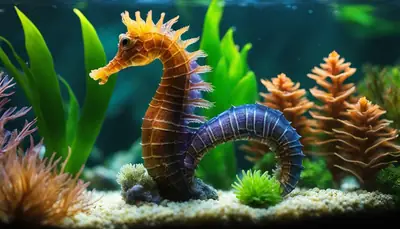
How to Care for Pet Seahorses and What You Need to Know?

How to Keep a Hyena as a Pet and What You Need to Know?

How and Why Rehoming Fees Exist? Everything You Need to Know.

How To Attract Stray Cats: A Closer Look At The Subject

How To Stop Cat From Spilling Water Bowl: Insightful Perspectives

How to Stop Cats From Pooping in My Potted Plants: Unpacking the Intricacies

How To Stop Cat Eating Dog Food: Breaking Down The Basics

Understanding Why Your Cat Doesn't Like Treats: Solutions & Tips

Dog Care Essentials

Dogs are loyal companions that require proper care to thrive. From puppyhood to senior years, understanding your dog's needs is crucial for a long and happy life together.

Nutrition and Feeding

A balanced diet is the foundation of good health for dogs. Choose high-quality dog food that meets the nutritional standards set by veterinary associations. Consider your dog's age, size, breed, and activity level when selecting food. Always provide fresh water and avoid feeding human foods that can be toxic to dogs, such as chocolate, grapes, and onions.

For specific dietary concerns, consult with your veterinarian. They can recommend specialized diets for dogs with allergies, weight issues, or medical conditions.

Exercise and Mental Stimulation

Regular exercise is vital for maintaining your dog's physical and mental health. The amount of exercise needed varies by breed, age, and health status. Activities can include walks, runs, play sessions, and training exercises.

Mental stimulation is equally important. Provide puzzle toys, engage in training games, and allow your dog to explore new environments safely. A bored dog may develop destructive behaviors, so keep their mind active with interactive play.

Health and Veterinary Care

Preventive veterinary care helps detect and treat health issues early. Schedule regular check-ups, vaccinations, and parasite prevention treatments. Be aware of common health problems in dogs, such as dental disease, arthritis, and skin conditions.

Monitor your dog for signs of illness, including changes in appetite, energy level, or behavior. Early intervention can make a significant role in treatment outcomes.

Cat Care Fundamentals

Cats are independent yet affectionate pets that thrive with proper care. Understanding feline behavior and needs helps create a harmonious home for both you and your cat.

Nutrition and Hydration

Cats are obligate carnivores, requiring a diet rich in animal protein. Choose cat food that meets their nutritional needs and provides essential nutrients like taurine. Wet food can help increase water intake, which is important for urinary tract health.

Always provide fresh, clean water. Consider using a water fountain to encourage drinking, as many cats prefer running water.

Litter Box Management

A clean litter box is essential for your cat's comfort and hygiene. Scoop the litter box daily and change the litter regularly. The number of litter boxes should follow the rule of one box per cat plus one extra.

For more detailed information on litter box maintenance and choosing the right litter, visit our guide on how often to change cat litter and why it matters.

Environmental Enrichment

Cats need mental and physical stimulation to prevent boredion and stress. Provide scratching posts, climbing trees, and interactive toys. Engage in play sessions that mimic hunting behaviors, such as using feather wands or laser pointers.

Create vertical spaces for your cat to climb and observe their surroundings. Window perches and cat shelves can enhance their environment.

Bird Care Basics

Pet birds, such as parrots, canaries, and finches, require specific care to maintain their health and happiness. Understanding their social and environmental needs is key to successful bird ownership.

Nutrition and Diet

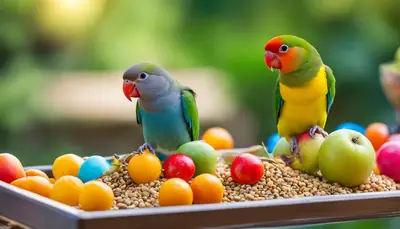
A balanced diet for birds includes high-quality pellets, fresh fruits, vegetables, and occasional seeds. Avoid feeding avocado, chocolate, caffeine, and alcohol, which can be toxic to birds.

Always provide fresh water and clean food dishes daily. Consult with an avian veterinarian for species-specific dietary recommendations.

Housing and Environment

Birds need spacious cages that allow for flight and movement. The cage should be made of safe materials and equipped with perches of varying sizes and textures. Place the cage in a well-lit area away from drafts and direct sunlight.

Provide mental stimulation through toys, foraging opportunities, and social interaction. Many bird species thrive on companionship, so consider keeping them in pairs if appropriate for the species.

Health and Hygiene

Regular veterinary check-ups with an avian specialist are crucial for preventing and treating health issues. Monitor your bird for signs of illness, such as changes in droppings, feather condition, or behavior.

Maintain cleanliness by regularly cleaning the cage, perches, and toys. Good hygiene helps prevent the spread of bacteria and parasites.

Small Mammal Care

Small mammals like rabbits, guinea pigs, hamsters, and ferrets make wonderful pets but have specific care requirements. Understanding their unique needs ensures they live healthy and happy lives.

Nutrition and Diet

Rabbits and guinea pigs require a diet high in fiber, primarily from hay, supplemented with fresh vegetables and a limited amount of pellets. Avoid giving them sugary treats or foods high in calcium, which can lead to bladder stones.

Hamsters and gerbils thrive on a mix of commercial pellets, fresh vegetables, and occasional treats. Ensure they have access to clean water at all times.

Ferrets are obligate carnivores and need a diet rich in animal protein. High-quality ferret food or kitten food can meet their nutritional needs.

Housing and Environment

Provide spacious enclosures that allow for exercise and exploration. For rabbits and guinea pigs, a large pen or cage with solid flooring is ideal to prevent foot injuries. Include hiding spots and chew toys to keep them entertained.

Hamsters and gerbils benefit from multi-level cages with tunnels and wheels for exercise. Ensure the cage has a secure lid to prevent escapes.

Ferrets need ample space to play and explore. A multi-level cage with hammocks, tunnels, and toys will keep them active and engaged.

Health and Hygiene

Regular veterinary check-ups are important for small mammals. Find a veterinarian experienced with exotic pets to ensure proper care. Monitor your pet for signs of illness, such as changes in appetite, lethargy, or abnormal droppings.

Maintain cleanliness by regularly cleaning the enclosure, replacing bedding, and providing fresh food and water. Good hygiene prevents the spread of disease and keeps your pet comfortable.

Reptile and Amphibian Care

Reptiles and amphibians, such as snakes, lizards, turtles, and frogs, require specialized care to thrive in captivity. Proper habitat setup, nutrition, and handling are essential for their well-being.

Nutrition and Diet

Dietary needs vary greatly among species. Some reptiles are herbivores, eating leafy greens and vegetables, while others are carnivores, requiring live or pre-killed prey. Research the specific dietary requirements of your reptile or amphibian species.

Always provide fresh water and ensure that food items are appropriately sized to prevent choking or digestive issues.

Housing and Environment

Create a habitat that mimics the natural environment of your pet. This includes proper temperature gradients, humidity levels, lighting, and substrate. Use thermostats and hygrometers to monitor conditions accurately.

Provide hiding spots, climbing branches, and basking areas to allow your pet to regulate their body temperature and feel secure.

Health and Hygiene

Regular veterinary check-ups with a reptile or amphibian specialist are crucial for preventing and treating health issues. Monitor your pet for signs of illness, such as changes in appetite, shedding problems, or abnormal behavior.

Maintain cleanliness by regularly cleaning the enclosure, replacing substrate, and disinfecting surfaces. Proper hygiene helps prevent bacterial and fungal infections.

Fish and Aquarium Care

Keeping fish can be a rewarding hobby, but it requires careful attention to water quality, nutrition, and tank maintenance. Whether you have a freshwater or saltwater aquarium, understanding the basics is key to success.

Water Quality and Filtration

Maintaining excellent water quality is the most important aspect of aquarium care. Regularly test water parameters such as pH, ammonia, nitrite, and nitrate levels. Use a reliable filtration system to keep the water clean and free of harmful toxins.

Perform regular water changes to remove accumulated waste and replenish essential minerals. The frequency and amount of water changes depend on the tank size and stocking levels.

Nutrition and Feeding

Provide a varied diet that meets the nutritional needs of your fish species. Options include flakes, pellets, frozen foods, and live foods. Avoid overfeeding, as excess food can degrade water quality and lead to health problems.

Research the dietary preferences of your fish to ensure they receive appropriate nutrition. Some fish are herbivores, while others are carnivores or omnivores.

Temperature and Heating

Maintaining a stable water temperature is critical for fish health. Use a reliable aquarium heater to keep the water within the ideal range for your species. For more information on selecting the right heater, visit our guide on 10 Best Aquarium Heaters (2026).

Consider using a heater with a built-in thermostat to prevent overheating and ensure consistent temperatures.

Tank Maintenance and Cleaning

Regularly clean the aquarium glass, decorations, and filter media to prevent algae buildup and maintain water quality. Perform routine maintenance tasks such as checking equipment and replacing filter media as needed.

Monitor your fish for signs of stress or illness, such as changes in behavior, appetite, or appearance. Early detection can prevent serious problems and ensure a healthy aquarium environment.

Senior Pet Care

As pets age, their care requirements change. Senior pets may experience decreased mobility, arthritis, vision or hearing loss, and increased susceptibility to certain diseases. Providing appropriate care helps ensure their comfort and quality of life.

Nutrition and Diet

Senior pets often benefit from diets formulated specifically for their life stage. These diets may have adjusted calorie content, joint support supplements, and easier-to-digest ingredients.

Consult with your veterinarian to determine the best nutritional plan for your senior pet based on their health status and activity level.

Mobility and Comfort

Provide soft, orthopedic bedding to relieve pressure on joints and improve sleep quality. Consider ramps or steps to help your pet access furniture or vehicles more easily.

Keep food and water bowls in easily accessible locations to reduce strain. Non-slip flooring can prevent falls and injuries.

Health Monitoring and Veterinary Care

Increase the frequency of veterinary check-ups for senior pets to monitor for age-related conditions such as kidney disease, diabetes, and cancer. Early detection and intervention can significantly improve outcomes.

Stay vigilant for signs of pain or discomfort, such as reluctance to move, changes in appetite, or unusual vocalizations.

Mental Stimulation and Gentle Exercise

Engage your senior pet in gentle activities that promote mental stimulation and light exercise. Short walks, puzzle toys, and gentle play sessions can help keep their mind active and prevent boredom.

Always consider your pet's limitations and adjust activities accordingly to ensure their safety and comfort.

General Pet Care Tips

Regardless of the type of pet you own, certain principles apply to all companion animals. Following these guidelines will help ensure your pet's well-being and strengthen your bond.

Regular Veterinary Visits

Schedule annual check-ups with your veterinarian, or more frequently for senior pets or those with chronic conditions. Preventive care, including vaccinations and parasite control, is essential for long-term health.

Proper Identification

Ensure your pet has proper identification, such as a collar with tags and a microchip. This increases the chances of a safe return if your pet becomes lost.

Training and Socialization

Invest time in training your pet using positive reinforcement techniques. Basic obedience training improves communication and safety. Socialization helps pets adapt to various environments and reduces fear or anxiety.

Emergency Preparedness

Prepare for emergencies by having a pet first-aid kit, knowing the location of the nearest emergency veterinary clinic, and having a plan for natural disasters or evacuations.

Keep important information readily available, including your veterinarian's contact details, medical records, and medication lists.

Featured Resources

Explore our in-depth guides on specific pet care topics:

These resources offer detailed information to help you make informed decisions about your pet's care and well-being.

Conclusion

Caring for a pet is a rewarding responsibility that requires knowledge, dedication, and love. By providing proper nutrition, exercise, mental stimulation, and veterinary care, you can help your pet live a long, healthy, and happy life.

Remember that each pet is unique, and their needs may change over time. Stay observant, continue learning, and enjoy the journey of pet ownership with your beloved companion.

Thank you for visiting PetExperta. We hope you find our information helpful and informative. For more articles and updates, explore our site and stay connected with our community.