Uncovering the Truth: Can Cats Fake a Limp?
In this guide
- Key Takeaways:
- Understanding Feline Behavior
- Types of Limping in Cats
- Signs of Faked Limp in Cats
- Reasons for Cats Faking a Limp
- Caring for Cats with Limping Behavior
- Genuine Injuries in Cats: Understanding the Signs and Medical Conditions
- Cat Behavior Training and Enrichment
- Understanding Feline Psychology
- Recognizing the Bond Between Cats and Owners
- Seeking Veterinary Advice
- Promoting Cat Welfare and Happiness
- Debunking Common Cat Myths
- Conclusion
Cats occasionally exhibit unusual behaviors, including pretending to be injured and faking a limp. But can cats actually fake a limp? Let’s dive into this quirky feline behavior and uncover the truth about whether cats have the ability to deceive their owners.
Key Takeaways:
- Some cats may exhibit a faked limp, but it’s important to consider genuine injuries or medical conditions.
- Cats communicate through various means, including body language.
- Understanding the different types of limping in cats can help distinguish between a genuine limp and a potentially faked one.
- Signs of a faked limp can include inconsistent limping or sudden improvement in mobility.
- Consulting with a veterinarian is essential to provide appropriate care and treatment for your cat.
Understanding Feline Behavior
Before delving into the intriguing question of whether cats can fake a limp, it is essential to have a solid understanding of feline behavior. Cats, like any other animals, communicate through various means, with their behavior being a primary form of expression. By observing their body language and actions, we can gain valuable insights into their emotions, needs, and intentions.
Cat behavior encompasses a broad range of actions, from the way they interact with their surroundings to how they communicate with their owners and other animals. It is important to remember that cats are highly intelligent creatures, and their behaviors serve specific purposes. Understanding the nuances of their body language, vocalizations, and social interactions can help us decipher their messages and strengthen our bond with them.
One crucial aspect of feline behavior is their body language. Cats use subtle cues to convey various emotions and intentions. For example, a cat may arch its back and puff up its fur to signal fear or aggression, while a relaxed and open posture indicates contentment. The position of their ears, tail, and whiskers also provides important clues about their current state of mind. By paying attention to these signals and observing their behavior in different situations, we can better understand and respond to their needs.
Communication through Body Language
Cats have a remarkably nuanced repertoire of body language that allows them to communicate effectively with other cats and their human companions. Some common feline body language signals include:
- Tail position: A relaxed and loosely hanging tail usually indicates that a cat is content, while an upright and puffed-up tail may signal excitement or aggression.
- Purring: This familiar sound typically indicates that a cat is feeling relaxed and content.
- Eye contact: A direct gaze from a cat is often a sign of trust and affection, while dilated pupils can indicate fear or excitement.
- Kneading: When a cat kneads its paws against a soft surface, it is usually a sign of comfort and contentment, as it mimics the actions kittens make while nursing.
By observing and interpreting these body language cues, cat owners can better understand their feline friends and respond appropriately to their needs and desires. This understanding of feline behavior lays the foundation for exploring the intriguing question of whether cats have the ability to fake a limp.
| Feline Behavior | Description |
|---|---|
| Body language | Cats use subtle cues such as tail position, ear position, and vocalizations to communicate their emotions and intentions. |
| Communication | Cats communicate through a combination of vocalizations, body language, and scent marking to express their needs and desires. |
| Emotional expression | Cats have complex emotional lives and can experience a wide range of emotions, including happiness, anxiety, fear, and contentment. |
| Social behavior | Cats are capable of forming deep bonds with their human companions and can exhibit both solitary and social behaviors depending on their individual personalities. |
Types of Limping in Cats
Limping in cats can have various causes, ranging from leg injuries to muscle strains and joint problems. Understanding the different types of limping in cats is crucial in order to identify the underlying issue and provide appropriate care and treatment. Here are some common types of cat limping and their possible causes:
| Type of Limping | Possible Causes |
|---|---|
| Front Leg Limp | – Fractured or sprained leg– Shoulder or elbow joint issues– Muscle strain |
| Back Leg Limp | – Hip or knee joint problems– Torn ligament– Muscle strain |
| Non-Weight Bearing Limp | – Severe fracture– Dislocated joint– Ligament or tendon injury |
| Intermittent Limp | – Arthritis– Inflammation– Degenerative joint disease |
It’s important to note that these are just some of the possible causes of limping in cats. Each cat is unique, and a thorough evaluation by a veterinarian is necessary to diagnose and treat the specific issue.
If your cat is experiencing limping or any other signs of discomfort, it is recommended to seek veterinary attention promptly. Early detection and intervention can help prevent further complications and ensure your cat’s well-being.
Signs of Faked Limp in Cats
Cats may exhibit certain signs that could indicate a faked limp. It’s important to observe their behavior closely to determine if they are pretending to have an injury. Here are some behavioral indicators to look out for:
- Inconsistent limping: Cats with a faked limp may show inconsistencies in their gait. They may switch between limping and walking normally, especially when they think no one is watching.
- Sudden improvement in mobility: If a cat suddenly stops limping or shows significant improvement in mobility, it could be a sign of a faked limp. Genuine injuries usually take time to heal and don’t resolve themselves overnight.
- Excessive attention-seeking behavior: Cats seeking attention may use a faked limp as a way to garner sympathy. They may display exaggerated movements or vocalize more to get your attention.
- Selective limp in certain situations: Cats that fake a limp may only do so in specific situations. For example, they may limp when it’s time to go to the vet but walk normally at home. This selective limp behavior can indicate that the limp is not genuine.
It’s important to note that these signs alone may not necessarily indicate a faked limp. Cats can also experience genuine injuries or pain, so it’s essential to consult with a veterinarian for a proper diagnosis.
Behavioral Indicators of Faked Limp:
“Cats may exhibit certain signs that could indicate a faked limp. It’s important to observe their behavior closely to determine if they are pretending to have an injury.”
“Inconsistent limping: Cats with a faked limp may show inconsistencies in their gait. They may switch between limping and walking normally, especially when they think no one is watching.”
Sudden improvement in mobility: If a cat suddenly stops limping or shows significant improvement in mobility, it could be a sign of a faked limp. Genuine injuries usually take time to heal and don’t resolve themselves overnight.”
“Excessive attention-seeking behavior: Cats seeking attention may use a faked limp as a way to garner sympathy. They may display exaggerated movements or vocalize more to get your attention.”
“Selective limp in certain situations: Cats that fake a limp may only do so in specific situations. For example, they may limp when it’s time to go to the vet but walk normally at home. This selective limp behavior can indicate that the limp is not genuine.”
It’s important to note that these signs alone may not necessarily indicate a faked limp. Cats can also experience genuine injuries or pain, so it’s essential to consult with a veterinarian for a proper diagnosis.
Reasons for Cats Faking a Limp
When it comes to faking a limp, cats can be quite crafty. While their motives may vary, there are a few common reasons why cats engage in this behavior. One of the primary reasons is attention-seeking. Cats are known for their independent nature, but they also crave affection and interaction. By limping, they can attract the attention of their owners and receive extra care and pampering.
Another reason for faked limping is manipulation. Cats are intelligent creatures and quickly learn how to get what they want. By pretending to be injured, they may be able to manipulate their owners into providing more treats, playtime, or even avoiding unpleasant activities. It’s a subtle tactic that cats use to gain control over their environment.
Lastly, cats may fake a limp to elicit sympathy. Cats are masters of reading human emotions, and they know that a limp can tug at our heartstrings. By appearing vulnerable and in need of care, cats can activate our nurturing instincts and receive extra comfort and attention. It’s a clever way for them to ensure they get the love and care they desire.
| Reasons for Faked Limp in Cats |
|---|
| Feline Attention-Seeking Behavior |
| Cat Manipulation Tactics |
| Cat Behavior for Sympathy |
While these are common reasons for faked limping in cats, it’s essential to remember that every cat is unique. Some cats may display these behaviors more prominently, while others may rarely engage in faking a limp. It’s important to observe your cat’s overall behavior and consider any other factors that may contribute to their actions.
Caring for Cats with Limping Behavior
When it comes to caring for cats with limping behavior, it’s important to take a comprehensive approach that addresses both their physical and emotional well-being. This involves seeking appropriate medical treatment, managing pain, and modifying their behavior to promote their overall recovery and happiness.
Medical Treatment and Injury Management
If your cat is limping, it’s crucial to consult with a veterinarian to identify and address any underlying medical issues or injuries. The vet will conduct a thorough examination, potentially including X-rays or other diagnostic tests, to determine the cause of the limp and develop a suitable treatment plan.
Based on the diagnosis, your veterinarian may prescribe medication for pain management, recommend physical therapy exercises, or suggest surgical intervention if necessary. It’s essential to follow their instructions carefully to ensure your cat receives the appropriate care and support during their recovery process.
Behavior Modification Techniques
In addition to medical treatment, behavior modification techniques can be employed to address any faked behaviors or attention-seeking tendencies in your cat. Positive reinforcement training methods, such as rewarding desired behaviors and redirecting negative ones, can help shape their behavior and discourage faked limping.
Engaging in interactive play sessions and providing enriching environments with toys and scratching posts can help redirect their energy and stimulate their natural behaviors. By satisfying their physical and mental needs, you can promote a healthier, more balanced lifestyle for your cat, potentially reducing the likelihood of them resorting to faked limping for attention.
Pain Management and Comfort
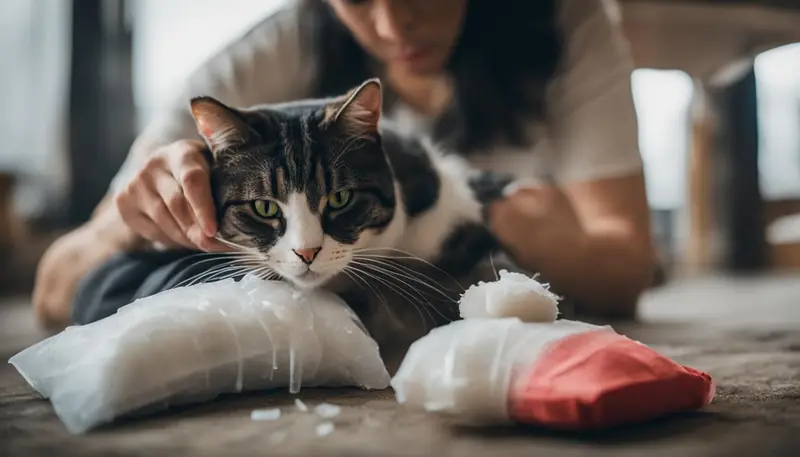
Regardless of whether the limp is genuine or faked, it’s important to prioritize your cat’s comfort and pain management. Follow the veterinarian’s guidance on administering any prescribed pain medications and provide a warm and quiet space for your cat to rest and recover.
Monitor your cat closely for any signs of distress or worsening symptoms and report them to your veterinarian promptly. Regular follow-up appointments can help assess your cat’s progress and make any necessary adjustments to their treatment plan.
By combining appropriate medical care, behavior modification techniques, and pain management strategies, you can effectively care for your cat with limping behavior and support their overall well-being.
Genuine Injuries in Cats: Understanding the Signs and Medical Conditions
In the world of cats, injuries and medical conditions are not uncommon. While some cats may fake a limp, it’s important to recognize and address genuine injuries or underlying health issues. Understanding the signs of cat pain, common medical conditions, and potential health issues can help ensure the well-being of our feline companions.
Signs of cat pain can vary, but some common indicators include a reluctance to move or bear weight on a limb, vocalization, changes in appetite or litter box habits, and aggressive or withdrawn behavior. It’s important to observe any behavioral changes, no matter how subtle, as these may be indicative of an underlying issue that requires attention.
Cats can also suffer from a variety of medical conditions that can cause pain and discomfort. These can range from musculoskeletal issues such as arthritis or joint problems to internal conditions like urinary tract infections or dental problems. Regular veterinary check-ups and proactive monitoring of your cat’s health are crucial in detecting and treating any potential medical conditions early on.
| Common Medical Conditions in Cats | Signs and Symptoms |
|---|---|
| Arthritis | Stiffness, difficulty jumping, decreased activity levels |
| Urinary Tract Infections | Increased frequency of urination, blood in urine, discomfort during urination |
| Dental Problems | Bad breath, drooling, difficulty eating, swollen gums |
| Ear Infections | Head shaking, excessive scratching of ears, odor from ears |
Remember, as responsible cat owners, it’s our duty to prioritize our cats’ health and well-being. If you notice any signs of pain or suspect a medical condition, don’t hesitate to seek veterinary advice. Early detection and timely treatment can make a significant difference in your cat’s quality of life.
Cat Behavior Training and Enrichment
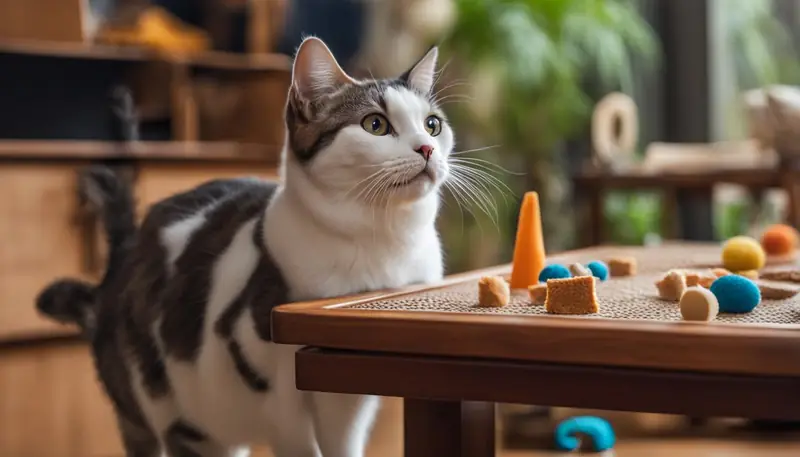
Understanding and addressing faked limping behaviors in cats requires a multifaceted approach that incorporates behavior training and enrichment activities. By engaging in cat behavior training, you can shape your cat’s behaviors and discourage faked limping. Positive reinforcement techniques, such as rewarding desired behaviors with treats or praise, can be effective in redirecting your cat’s attention and promoting more appropriate behaviors.
Enrichment activities play a crucial role in preventing boredom and providing mental stimulation for cats. Interactive toys, puzzle feeders, and scratching posts can keep your cat mentally engaged and physically active. These activities not only help alleviate any potential faked limping behaviors but also improve your cat’s overall well-being and happiness.
The Benefits of Feline Mental Stimulation
Feline mental stimulation is essential for cats of all ages, as it helps satisfy their natural instincts and prevents behavioral issues. By offering activities that challenge their cognitive abilities and encourage problem-solving, you can promote a healthier and more contented cat. Additionally, mental stimulation can help redirect any excess energy that may contribute to unwanted behaviors such as faked limping.
Implementing a structured play routine with your cat is an effective way to provide mental enrichment. Using toys that mimic prey, such as feather wands or laser pointers, can engage your cat’s hunting instincts and provide an outlet for their energy. Regular play sessions not only keep your cat physically active but also enhance their mental well-being.
Remember, each cat is unique, and it’s important to tailor the training and enrichment activities to their individual needs and preferences. By consistently engaging in behavior training and providing ample mental stimulation, you can create a fulfilling and enriching environment for your cat, reducing the likelihood of faked limping behaviors and promoting their overall happiness.
| Training Tips | Enrichment Activities |
|---|---|
|
|
Understanding Feline Psychology
Understanding feline psychology is key to unraveling the complex world of cat behavior. Cats possess remarkable cognitive abilities and experience a wide range of emotions, which can influence their behavior in various situations. By delving into feline psychology, we can gain valuable insights into how cats think, feel, and interact with their environment.
Cat cognitive abilities are often underestimated. These intelligent creatures are capable of problem-solving, learning from experiences, and adapting their behavior accordingly. They have excellent memory recall and can navigate their surroundings with precision. Understanding their cognitive abilities can help us create stimulating environments that cater to their natural instincts and provide mental enrichment.
Just like humans, cats experience a wide range of emotions. They can feel happiness, fear, frustration, and even jealousy. These emotions play a crucial role in shaping their behavior. By recognizing and understanding their emotional states, we can respond appropriately, provide comfort and reassurance, and foster a positive emotional well-being in our feline companions.
Analyzing Cat Behavior
When it comes to analyzing cat behavior, a deeper understanding of feline psychology is essential. By observing their body language, vocalizations, and interactions, we can decipher their needs, desires, and emotional states. For example, a cat may display aggressive behavior due to fear or discomfort, while purring and rubbing against their owner might indicate contentment and bonding.
Furthermore, analyzing cat behavior allows us to identify patterns and triggers that influence their actions. By recognizing these patterns, we can modify the cat’s environment, provide appropriate outlets for their energy and instincts, and address any problematic behaviors. Understanding feline psychology enables us to form a stronger bond with our feline companions and create an environment that promotes their overall well-being.
Table: Common Cat Behaviors and Their Psychological Meanings
| Behavior | Psychological Meaning |
|---|---|
| Purring and Kneading | Contentment and relaxation |
| Hissing and Growling | Fear, aggression, or discomfort |
| Head Butting | Affection and marking territory |
| Tail Flicking | Agitation, annoyance, or arousal |
| Kneading | Comfort-seeking behavior, reminiscent of nursing |
By analyzing cat behavior through the lens of feline psychology, we can gain a deeper understanding of our feline friends. This understanding allows us to provide an environment that supports their cognitive abilities, emotional well-being, and natural instincts. By meeting their psychological needs, we can help create happier, healthier, and more fulfilled cats.
Recognizing the Bond Between Cats and Owners
The feline-human relationship is a unique and special bond that forms between cats and their owners. Cats, known for their independent nature, still rely on their owners for care, affection, and security. Understanding the importance of this bond is essential in interpreting cat behavior, including instances of faked limping.
Cats communicate with their owners through a combination of vocalization, body language, and behavior. By observing their cat’s trust and communication cues, owners can better interpret their cat’s needs, emotions, and intentions. Building trust with your cat is a vital aspect of fostering a strong bond, and it can help minimize any potential faked limping behaviors.
When cats feel secure and loved, they are less likely to engage in attention-seeking behaviors, such as faking a limp. By providing a nurturing environment, consistent care, and positive interactions, owners can strengthen the bond with their cats. This bond not only enhances the well-being of cats but also enriches the lives of their owners.
Seeking Veterinary Advice
When it comes to your cat’s health and well-being, it’s always best to consult with a veterinarian. Veterinary professionals have the knowledge and expertise to assess your cat’s overall health, behavior, and any potential underlying medical issues. Whether you’re concerned about a faked limp or any other behavioral changes, seeking veterinary advice is crucial in ensuring your cat receives the appropriate care and attention.
Veterinarians can conduct thorough examinations, perform diagnostic tests, and provide treatment options based on your cat’s specific needs. They can help differentiate between genuine injuries, medical conditions, and any potential faked behaviors your cat may be exhibiting. By consulting with a veterinarian, you can have peace of mind knowing that you are making informed decisions regarding your cat’s healthcare.
Additionally, veterinarians can offer guidance on pain management strategies, behavior modification techniques, and enrichment activities to improve your cat’s overall well-being. They can provide valuable insights and recommendations to address any specific concerns or challenges you may be facing with your cat’s behavior.
Why Veterinary Advice Matters
While online resources and forums can provide some general information, nothing can replace the expertise and personalized care provided by a veterinary professional. Cats are unique individuals, and their healthcare needs should be evaluated on an individual basis. A veterinarian can take into account your cat’s age, breed, medical history, and current condition when providing advice or treatment recommendations.
Remember, as a cat owner, you play a crucial role in advocating for your cat’s health and well-being. By seeking veterinary advice, you are taking proactive steps to ensure that your cat receives the best possible care and that any potential faked limp or other concerns are properly addressed.
| Benefits of Seeking Veterinary Advice | Why Veterinary Advice Matters |
|---|---|
| Accurate diagnosis and treatment options | Individualized care based on your cat’s specific needs |
| Expert guidance on pain management strategies | Consideration of your cat’s age, breed, and medical history |
| Behavior modification techniques | Personalized recommendations for your cat’s current condition |
| Enrichment activities for improved well-being | Proactive steps to ensure the best possible care for your cat |
Promoting Cat Welfare and Happiness
When it comes to our beloved feline friends, promoting their welfare and happiness should always be a top priority. Cats thrive in environments that provide them with the physical and emotional support they need. By understanding their behavior and taking proactive steps, we can ensure that our cats lead fulfilling lives.
One crucial aspect of cat welfare is ensuring their overall health. Regular veterinary check-ups, vaccinations, and appropriate medical care are essential for maintaining their well-being. Additionally, providing a balanced diet, fresh water, and a clean living space is crucial in promoting their physical health.
However, cat welfare goes beyond just physical health. To truly promote happiness in our feline companions, we need to consider their behavioral and emotional needs as well. Cats are unique individuals with different personalities, and it’s important to provide them with appropriate mental stimulation and enriching experiences.
Promoting Physical and Mental Stimulation
Engaging our cats in play sessions, interactive toys, and puzzle feeders can help keep them physically active and mentally stimulated. This not only prevents boredom but also provides an outlet for their natural instincts, such as hunting and exploring. By offering a variety of toys and activities, we can cater to their individual preferences and keep them entertained.
Creating vertical spaces, such as cat trees or shelves, allows cats to climb, perch, and observe their surroundings. This not only provides physical exercise but also satisfies their natural curiosity and desire for a safe vantage point. Additionally, providing scratching posts or boards helps cats maintain their claws and provides an appropriate outlet for their natural scratching behavior.
Building a Safe and Comfortable Environment
Cats are territorial animals, and their environment plays a significant role in their well-being. Ensuring they have a safe, comfortable, and enriching living space is essential. This includes providing hiding spots, cozy beds, and access to windows or outdoor enclosures, if possible, to allow them to observe and interact with the world outside. Creating a designated area for their litter box, away from their food and sleeping areas, promotes proper hygiene and reduces stress.
Furthermore, maintaining a calm and stress-free environment can significantly impact a cat’s welfare. Minimizing loud noises, sudden changes, and stressful situations can help create a peaceful atmosphere. Additionally, establishing and maintaining a regular routine for feeding, playtime, and social interaction can provide cats with a sense of predictability and security.
By prioritizing cat welfare and happiness, we not only ensure their well-being but also strengthen the bond between cats and their owners. Cats are highly perceptive animals who can sense our emotions and respond to the care and love we provide. The effort invested in understanding their behavior, providing appropriate stimulation, and maintaining a nurturing environment will undoubtedly lead to a happier and healthier furry companion.
Debunking Common Cat Myths
As cat owners, it’s essential to separate fact from fiction when it comes to understanding our feline friends. There are several common cat myths and misconceptions that have been perpetuated over time. Let’s take a closer look at some of these myths and debunk the false information surrounding feline behavior.
Myth 1: Cats are solitary animals and don’t need social interaction
Contrary to popular belief, cats are not purely solitary animals. While they may have independent tendencies, cats are social creatures that form strong bonds with their human companions and even other animals. They enjoy social interaction and can thrive in environments where they receive love, attention, and companionship.
Myth 2: Cats always land on their feet and can’t get injured from falls
While cats have a remarkable ability to twist their bodies mid-air and land on their feet, they are not immune to injuries from falls. Cats can still sustain broken bones, sprains, and other injuries from high falls. It’s important to ensure a safe environment for your cat and provide appropriate supervision to prevent accidents.
Myth 3: Cats purr solely when they are happy
Although purring is often associated with contentment, cats can also purr in other situations. Cats may purr when they are anxious, stressed, or in pain. It serves as a self-soothing mechanism for them. It’s crucial to pay attention to other body language cues to understand the context and emotions behind a cat’s purring.
By debunking these common cat myths, we can gain a better understanding of our beloved feline companions. It’s important to rely on accurate information and educate ourselves about their behavior and needs. Understanding cats on a deeper level allows us to provide the best possible care and create a harmonious bond with our furry friends.
Conclusion
In conclusion, the fascinating world of feline behavior often includes instances of cats faking a limp. While it is important to acknowledge the possibility of faked behaviors, it is equally crucial not to dismiss genuine injuries or medical conditions. By understanding the complexities of feline behavior, seeking veterinary advice when needed, and prioritizing the overall welfare and happiness of our beloved cats, we can navigate their unique behaviors more effectively.
It is crucial to debunk common myths and misconceptions about cat behavior, including the belief that cats always fake a limp. By relying on accurate information and proper knowledge, we can provide the best possible care for our feline friends. Remember, every cat is an individual, and their behaviors may vary based on their personality, experiences, and needs.
So, the next time you see your cat displaying a limping behavior, consider the possibility of a faked limp, but also pay attention to any signs of genuine injuries or medical conditions. By maintaining a loving and nurturing environment, seeking professional advice when necessary, and promoting their overall well-being, we can ensure our cats live happy and fulfilling lives.
Let’s continue to learn and explore the world of feline behavior, debunking myths along the way, and deepening our understanding and connection with our furry companions.
FAQ
Can cats actually fake a limp?
Yes, cats have the ability to exhibit faked limping behaviors.
How do cats communicate their needs and emotions?
Cats communicate through various means, including body language and behaviors.
What are the types of limping in cats?
Limping in cats can be caused by leg injuries, muscle strains, and joint problems.
How can I tell if my cat is faking a limp?
Signs of a possibly faked limp include inconsistent limping, sudden improvement in mobility, excessive attention-seeking behavior, or selective limp in certain situations.
Why would a cat fake a limp?
Cats may fake a limp to seek attention, manipulate their owners, or elicit sympathy.
How should I care for my cat with a faked limp?
It’s essential to provide proper care and attention, including consulting with a veterinarian to identify any underlying medical issues or injuries.
What should I look out for to recognize genuine injuries in my cat?
Signs of genuine injuries in cats include refusal to bear weight on a limb, swelling, visible wounds, or changes in appetite or litter box habits.
How can I prevent or address faked limping behaviors?
Engaging in behavior training and providing enrichment activities can help redirect your cat’s energy and discourage faked limping behaviors.
What should I know about feline psychology?
Cats have complex cognitive abilities and emotional experiences, which can provide insights into their behaviors.
How important is the bond between cats and their owners?
The bond between cats and their owners plays a significant role in their behavior and interactions, and building trust can minimize faked limping behaviors.
When should I seek veterinary advice for my cat?
It’s always best to consult with a veterinarian if you’re concerned about your cat’s behavior or health.
How can I promote my cat’s welfare and happiness?
Providing a nurturing environment, consistent care, and enriching experiences can promote your cat’s overall well-being.
What are some common cat myths that should be debunked?
There are many misconceptions about feline behavior that should be debunked to ensure accurate understanding and care for cats.