Cat Banging On Door: Insightful Perspectives
In this guide
- Key Takeaways:
- Why Do Cats Bother Banging On Doors?
- The Need for Territory and Instincts
- Curiosity and Exploration
- Communication and Demand
- Expressing Frustration and Irritation
- Dealing with Cat Banging on Doors
- Creating Enrichment and Stimulation
- Addressing Anxiety and Distress
- Training and Positive Reinforcement
- Addressing the Needs of Indoor Cats
- Seeking Professional Help
- Understanding Your Cat’s Individual Needs
- Conclusion
Greetings! Today, I want to delve into a behavior that many cat owners have experienced – the mysterious phenomenon of cats banging on doors. It’s a behavior that can range from amusing to downright frustrating, leaving us wondering why our furry friends feel the need to engage in this peculiar behavior. Let’s explore some insightful perspectives on why cats bang on doors and how we can better understand and address their needs.
Key Takeaways:
- Cats may bang on doors as a form of attention-seeking behavior or to communicate their needs and desires.
- Banging on doors can also be a sign of territorial instincts, curiosity, frustration, or irritation.
- Patiently redirecting their behavior and providing mental and physical stimulation can help reduce door-banging episodes.
- If the behavior persists or becomes aggressive, seeking professional help from a veterinarian or behaviorist may be necessary.
- Understanding your individual cat’s needs and tailoring your approach accordingly is crucial in addressing door-banging behavior.
Why Do Cats Bother Banging On Doors?
Cats may engage in the behavior of banging on doors for various reasons. This behavior is often a form of attention-seeking, as cats use it as a way to communicate their needs or desires. Whether they want to be fed, let outside or simply want their owner’s attention, banging on doors is a method cats use to express themselves.
In addition to attention-seeking, door-banging can also be a sign of frustration or anxiety. If a cat feels confined to a certain area and wants to explore or interact with their owners, they may resort to banging on doors as a way to express their discontent.
Understanding the underlying reasons behind this behavior is crucial in order to address it effectively and reduce any potential distress or annoyance for both the cat and its owner.
Behavior as a form of communication and frustration
Addressing the behavior
To address cat door-banging behavior, it’s important to provide alternatives for the cat to engage in play, such as interactive toys or scratching posts. Additionally, offering additional attention and affection can help reduce the frequency of this behavior. Patience and understanding are key, as getting frustrated or angry may only exacerbate the issue.
The Need for Territory and Instincts
When cats bang on doors, it can be a display of their natural territorial instincts. Cats are known for their strong sense of ownership and the need to mark their territory. Banging on doors can be a way for them to assert their dominance or communicate their territorial boundaries.
This behavior is often seen when cats feel the need to protect their space or challenge perceived threats. By banging or scratching at doors, they are sending a clear message that they are in control and that the door is a boundary they are defending.
It’s important for cat owners to understand and respect their cat’s territorial nature. Providing appropriate outlets for their instinctual behaviors, such as scratching posts and designated play areas, can help redirect their energy and minimize door-banging episodes.
The Need to Establish Dominance
One possible explanation for cats banging on doors is their desire to establish dominance. Cats have a hierarchical social structure, and banging on doors can be a way for them to assert their position within the household. By making noise and exhibiting this behavior, they are signaling their authority and demanding recognition from both humans and other pets in the household.
It’s important for cat owners to establish clear boundaries and reinforce their role as the leader. Using positive reinforcement and consistent training techniques can help cats understand their place in the hierarchy and reduce their need to assert dominance through door-banging behavior.
The Influence of Instincts
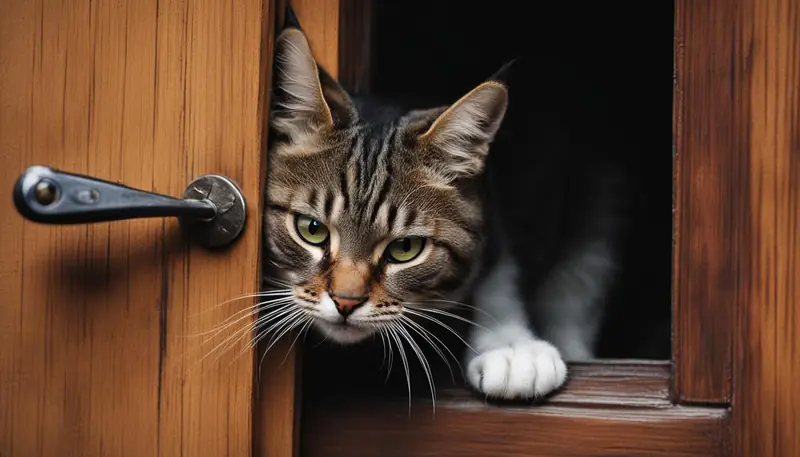
Cats are natural hunters and explorers, and banging on doors can also be a manifestation of their instincts. By trying to access areas that are restricted or closed off, they are driven by their innate curiosity and desire to explore new territories.
Providing ample environmental enrichment and opportunities for exploration can help satisfy their instinctual needs and reduce their desire to bang on doors. This can include providing interactive toys, hiding treats or toys throughout the house, or creating vertical spaces for them to climb and explore.
Preventing Aggression and Reducing Stress
While door-banging behavior may seem harmless, it can escalate into aggression or cause undue stress for both the cat and their human companions. It’s important to address this behavior early on and provide the necessary tools and resources to redirect their energy in more appropriate ways.
Understanding the reasons behind door-banging behavior and addressing them with patience and understanding can help create a harmonious living environment for both cats and their owners.
Curiosity and Exploration
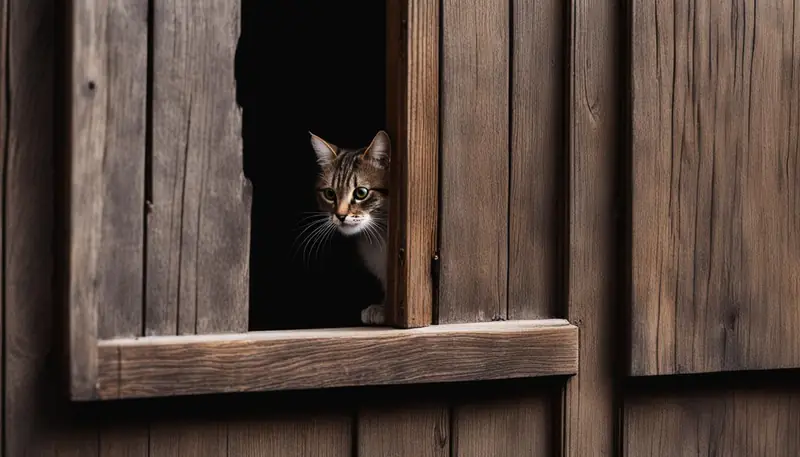
One of the reasons why cats engage in the behavior of banging on doors is their innate curiosity and desire for exploration. Cats are naturally curious creatures, constantly seeking out new experiences and stimuli to satisfy their inquisitive nature. Banging on doors can be a sign that they want to investigate what lies beyond, whether it’s a different room, the outdoors, or simply an area they haven’t explored before.
This curious behavior is rooted in a cat’s instinctual drive to hunt and explore their environment. Just like their wild ancestors, domestic cats have a strong need to hunt, stalk, and explore their surroundings. Banging on doors could be their way of trying to gain access to new territories, expand their hunting grounds, or simply engage in the thrill of discovery.
While this behavior may be perplexing or even frustrating for owners, it’s important to understand that it is a natural expression of a cat’s curiosity. By providing alternative outlets for exploration and mental stimulation, such as interactive toys, scratching posts, and access to different areas of the house, owners can help satisfy their cat’s need for curiosity and minimize their desire to bang on doors.
Communication and Demand
When a cat is banging on the door, it is often a form of communication and a way for them to demand attention or express their needs. By making noise and being persistent in their behavior, cats are trying to get their owner’s attention and have their needs met. It is important for owners to understand and respond to this form of communication in a positive and patient manner.
Cats are known for being vocal animals, and banging on doors is just one of the many ways they communicate with their owners. They may be seeking attention, food, or access to certain areas of the house. By paying attention to their body language and cues, owners can better understand what their cat is trying to communicate.
My cat, Whiskers, is quite the communicator. Whenever she wants my attention, she will go to the nearest door and start banging on it. It took me a while to realize that this is her way of demanding my presence. Now, whenever she starts banging, I make sure to give her some extra playtime or cuddles. It’s amazing how such a simple behavior can convey so much!
In order to address this behavior, it is important to respond to your cat’s needs in a timely manner. Ignoring their demands may lead to increased frustration and even more banging on doors. By providing the attention, food, or access they are asking for, owners can help reduce the frequency of door-banging episodes and create a more harmonious living environment.
Table:
| Understanding Cat Banging on Doors | How to Respond |
|---|---|
| Cat is seeking attention or companionship. | Engage in playtime or give extra cuddles. |
| Cat is hungry or wants to be fed. | Provide food or a small snack. |
| Cat wants access to a certain area of the house. | Open the door or provide an alternative way for them to explore. |
Remember, every cat is unique, and it is important to observe and understand your cat’s individual needs and preferences. By responding to their communication and demands in a positive and attentive manner, you can strengthen the bond with your furry friend.
Expressing Frustration and Irritation
When cats bang on doors, it may not always be a playful or attention-seeking behavior. Sometimes, it is a manifestation of their frustration or irritation. Cats can become upset about various factors, such as changes in their environment, lack of access to certain areas, or being confined to a specific space.
Their way of expressing these negative emotions is by banging on doors. It serves as a means to communicate their displeasure or attempt to resolve the situation causing their frustration. This behavior can be quite persistent as cats try to grab their owner’s attention and seek a resolution to their perceived problem.
As a cat owner, it is important to recognize and address the underlying causes of your cat’s frustration or irritation. Take note of any recent changes in their routine, environment, or interactions that could be influencing their behavior. By identifying and addressing the root cause, you can help alleviate their distress and reduce their tendency to bang on doors.
Dealing with Cat Banging on Doors
When faced with a cat who incessantly bangs on doors, it’s important to approach the situation with patience, understanding, and strategic redirection. Getting frustrated or angry will only escalate the behavior and further stress both you and your feline companion. By implementing a few simple strategies, you can help reduce the frequency of door-banging episodes and promote a more harmonious living environment.
Redirect Their Attention
One effective way to address door-banging behavior is to redirect your cat’s attention to more appropriate activities. Provide interactive toys or scratching posts in areas close to the doors they typically target. Engaging your cat with playtime and providing mental and physical stimulation will help satisfy their instincts and distract them from banging on doors.
Address Underlying Needs
It’s essential to identify and address any underlying needs that may be fueling your cat’s door-banging behavior. Ensure they have access to food, water, and a clean litter box. If your cat is seeking attention, try spending more quality time with them, engaging in interactive play sessions, or providing additional cuddles and affection. By addressing their needs, you can help alleviate their desire to seek attention through door-banging.
Utilize Positive Reinforcement
Positive reinforcement is a powerful tool when it comes to modifying your cat’s behavior. Whenever your cat chooses not to engage in door-banging, reward them with praise, treats, or affection. This will reinforce the desired behavior, making it more likely that they will continue to choose alternative activities over door-banging. Consistency and patience are key in using positive reinforcement effectively.
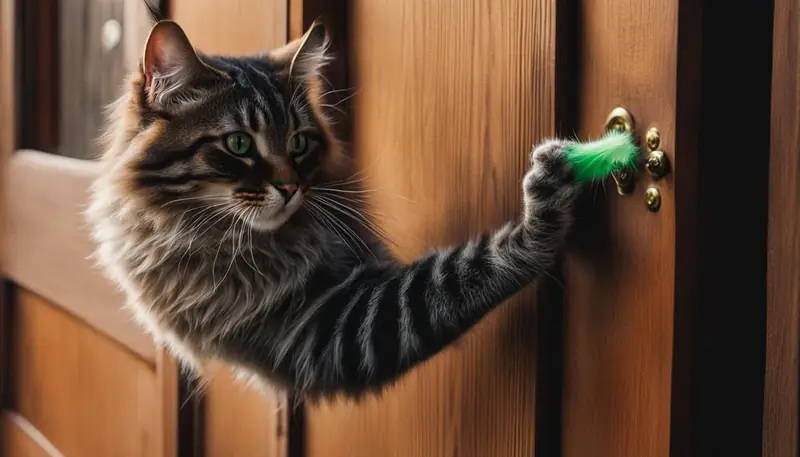
Remember, every cat is unique, and their door-banging behavior may have different motivations and triggers. By observing and understanding your cat’s individual needs, you can tailor your approach and actions accordingly. With patience, understanding, and the implementation of these strategies, you can create a more peaceful and fulfilling living environment for both you and your feline friend.
Creating Enrichment and Stimulation
When it comes to addressing a cat’s door-banging behavior, creating an environment that provides enrichment and stimulation is key. By offering various activities and outlets for their natural instincts, you can help redirect their behavior and prevent boredom-induced door-banging episodes.
One way to enrich your cat’s environment is by providing interactive toys. Toys that encourage hunting and pouncing behaviors, such as puzzle feeders or wand toys, can keep your cat mentally and physically stimulated. These toys simulate the thrill of the hunt and provide a way for your cat to release energy in a more appropriate manner.
Additionally, investing in a quality scratching post is important for a cat’s environmental enrichment. Scratching is a natural behavior that helps cats stretch their muscles, mark their territory, and keep their claws healthy. By offering a sturdy and appropriate scratching post or board, you can redirect their urge to scratch at doors and promote positive scratching habits.
| Enrichment Ideas for Cats | Benefits |
|---|---|
| Provide window perches or shelves | Allows cats to observe the outside world |
| Set up hiding spots or cozy beds | Gives cats a sense of security and comfort |
| Offer catnip or other engaging scents | Provides sensory stimulation and relaxation |
| Introduce puzzle feeders or treat-dispensing toys | Engages cats’ problem-solving skills and keeps them mentally stimulated |
Lastly, consider allowing your cat access to different areas of the house. Cats are curious creatures and enjoy exploring their surroundings. By providing them with safe access to different rooms or spaces, you can satisfy their natural curiosity and reduce their desire to bang on doors out of frustration or boredom.
Remember, each cat is unique, so it may take some trial and error to find the enrichment activities and toys that your cat enjoys the most. By observing their behavior and preferences, you can create an environment that caters to their individual needs and helps prevent door-banging behavior.
Addressing Anxiety and Distress
When a cat bangs on doors, it may sometimes be a result of anxiety or distress. It’s important for us, as cat owners, to address these underlying issues and provide the necessary support and reassurance for our feline companions.
Anxiety: Cats can be prone to anxiety, which can manifest in a variety of ways, including door banging. If you suspect that your cat’s behavior is rooted in anxiety, creating a safe and soothing environment can be beneficial. Providing a dedicated space with comfortable bedding and hiding spots can help your cat feel more secure. Additionally, using pheromone sprays or diffusers can help to create a calming atmosphere in your home.
Distress: Cats may also bang on doors when they are feeling distressed. This can be due to a change in their environment, such as a recent move or the introduction of a new pet. To address distress-related door banging, it’s important to identify and mitigate the source of distress. Taking gradual steps to acclimate your cat to any changes and providing extra attention and affection can help alleviate their distress.
Seeking Professional Help
If your cat’s door-banging behavior persists or worsens despite your efforts, it may be necessary to seek professional help from a veterinarian or animal behaviorist. These experts can assess your cat’s behavior, identify any underlying medical or behavioral issues, and provide guidance on how to effectively address the behavior. Remember, professional help can make a significant difference in resolving your cat’s door-banging behavior and improving their overall well-being.
Training and Positive Reinforcement
When dealing with a cat’s door-banging behavior, implementing training techniques and positive reinforcement can be highly effective. By using these methods, you can redirect your cat’s behavior and teach them more appropriate ways to communicate their needs.
Training a cat requires patience and consistency. Start by identifying a desired behavior to replace the door-banging, such as using a scratching post or sitting quietly. Whenever your cat engages in the desired behavior, reward them with treats, praise, or playtime. This positive reinforcement helps them associate the desired behavior with positive outcomes. Consistently rewarding the desired behavior and ignoring unwanted behaviors will help shape their behavior over time.
“Training a cat requires patience and consistency.”
Additionally, consider providing your cat with alternative outlets for their energy and attention. Interactive toys, puzzle feeders, and climbing structures can keep them mentally and physically stimulated. Engaging in play sessions with your cat using toys or laser pointers can also redirect their attention and energy in a positive way.
Remember, training takes time and effort, and every cat is unique. What works for one cat may not work for another. Pay attention to your cat’s individual needs, preferences, and responses to different training methods. If you’re unsure about the best approach or need guidance, consult with a professional animal trainer or behaviorist who can provide expert advice tailored to your cat’s specific situation.
Benefits of Training and Positive Reinforcement:
- Redirects cat’s behavior to more appropriate alternatives
- Strengthens the bond between you and your cat through positive interaction
- Provides mental and physical stimulation, reducing the desire for attention-seeking behaviors
- Improves overall communication between you and your cat
- Creates a harmonious living environment for both you and your feline companion
By utilizing training techniques and positive reinforcement, you can help your cat develop more desirable behaviors and minimize door-banging incidents. Remember to remain patient and consistent as you work with your furry friend, and always celebrate their progress along the way.
Addressing the Needs of Indoor Cats
Indoor cats have a unique set of needs that should be addressed to ensure their well-being and happiness. While door-banging behavior may be more prominent in indoor cats due to their limited access to outdoor exploration, there are several strategies that can be employed to satisfy their instincts and reduce their desire to engage in this behavior.
One effective way to address the needs of indoor cats is to provide them with environmental enrichment. This can include interactive toys, scratching posts, and vertical spaces such as window perches. These additions to their environment can offer mental and physical stimulation, allowing cats to engage in natural behaviors and satisfy their curiosity.
In addition to enriching their environment, creating a schedule of play and interaction can help indoor cats expel their energy and avoid frustration. Regular play sessions with interactive toys or feather wands can provide an outlet for their hunting instincts and prevent them from seeking stimulation through door-banging behavior.
| Strategies for Addressing the Needs of Indoor Cats: | Benefits: |
|---|---|
| Provide environmental enrichment such as interactive toys, scratching posts, and window perches. | Stimulates mental and physical activity, allowing cats to engage in natural behaviors. |
| Establish a schedule of play and interaction. | Provides an outlet for hunting instincts and prevents frustration. |
Furthermore, creating a designated safe space for your indoor cat can help alleviate anxiety and reduce the likelihood of door-banging behavior. This can be achieved by setting up a cozy area with a comfortable bed, hiding spots, and access to food, water, and litter boxes. Having a safe space allows cats to retreat and feel secure in their environment, minimizing stress and the need for attention-seeking behaviors.
By addressing the needs of indoor cats through environmental enrichment, scheduled play, and the creation of a safe space, owners can help reduce door-banging behavior and provide their feline companions with a fulfilling and enriching indoor lifestyle.
Seeking Professional Help
If your cat’s door-banging behavior persists or becomes more aggressive, it may be time to seek professional help from a veterinarian or animal behaviorist. These professionals have the knowledge and expertise to assess your cat’s behavior, identify any underlying issues, and provide guidance on how to address the behavior effectively.
A veterinarian can rule out any medical conditions that may be contributing to the door-banging behavior. They can also provide advice on potential behavior modification techniques or recommend medications that may help reduce anxiety or stress in your cat.
An animal behaviorist specializes in understanding animal behavior and can provide valuable insights into why your cat is banging on doors. They can help you develop a behavior modification plan tailored to your cat’s specific needs and guide you through the training process. They can also provide tips on creating an enriched environment that meets your cat’s physical and mental stimulation requirements.
Why seek professional help?
“Professional help can make a significant difference in addressing your cat’s door-banging behavior. They have the expertise and experience to evaluate your cat’s behavior comprehensively and offer tailored solutions that work.”
Remember, every cat is unique, and what works for one cat may not work for another. Seeking professional help ensures that you receive personalized guidance tailored to your cat’s individual needs. With the support of a veterinarian or animal behaviorist, you can better understand your cat’s door-banging behavior and work towards resolving it in a safe and effective manner.
Understanding Your Cat’s Individual Needs
When it comes to a cat banging on doors, it’s important to recognize that each feline has unique individual needs. Observing your cat’s behavior and understanding their motivations can help you respond appropriately and create a harmonious living environment.
One way to gain insight into your cat’s needs is through observation. Pay attention to their body language and cues, such as vocalizations or pawing at the door. Are they seeking attention, expressing frustration, or trying to communicate a desire to explore? By understanding the underlying motivations, you can tailor your approach to meet their specific needs.
Creating a stimulating environment is key to satisfying your cat’s natural instincts and reducing door-banging behavior. Provide plenty of interactive toys, scratching posts, and opportunities for exploration to keep them mentally and physically engaged. This will help prevent boredom and give them an alternative outlet for their energy.
Additionally, it’s essential to consider any underlying issues that may be contributing to their behavior. If your cat’s banging on doors is accompanied by signs of anxiety or distress, such as excessive grooming or hiding, it may be necessary to seek professional help. A veterinarian or animal behaviorist can provide guidance and recommend strategies to address these issues effectively.
Table: Understanding Your Cat’s Motivations
| Motivation | Behavior | Approach |
|---|---|---|
| Attention-seeking | Banging on doors to get your attention | Redirect their behavior by providing alternative ways to engage and interact |
| Curiosity and exploration | Banging on doors to explore new areas | Provide opportunities for exploration through interactive toys and access to different parts of the house |
| Frustration and irritation | Banging on doors due to environmental changes or restricted access | Address underlying issues and provide solutions to alleviate their frustration |
| Communication and demand | Banging on doors to communicate needs or desires | Pay attention to their cues and meet their needs through positive reinforcement |
By taking the time to understand your cat’s individual needs and addressing them accordingly, you can foster a stronger bond and create a more harmonious living environment for both you and your feline companion.
Conclusion
After delving into the behavior of cats banging on doors, it is clear that understanding their motivations and needs is essential for both their well-being and our sanity as owners. Cats may engage in this behavior as a form of communication, attention-seeking, or territorial assertion. They may also exhibit door-banging due to curiosity, frustration, or anxiety.
To address this behavior, it is crucial to be patient and understanding. Redirecting their attention and providing alternative means of stimulation can help reduce the frequency of door-banging episodes. Additionally, it is important to address any underlying issues or sources of distress if the behavior persists.
Creating an enriched environment, tailored to their individual needs, is key for preventing boredom and providing mental and physical stimulation. Training techniques and positive reinforcement can also help shape their behavior and teach them more appropriate ways to communicate their needs.
If the door-banging behavior becomes more aggressive or persistent, seeking professional help from a veterinarian or animal behaviorist is recommended. They can analyze the behavior, identify underlying issues, and offer guidance specific to your cat’s situation.
FAQ
Why do cats bang on doors?
Cats may bang on doors as a form of attention-seeking behavior, communication of their needs or desires, territorial marking, curiosity and exploration, or to express frustration or irritation.
How can I address my cat’s door-banging behavior?
It is best to try and redirect their behavior or address their underlying needs. Provide alternative ways for the cat to engage in play, give them additional attention, and create an enriched environment to reduce the frequency of door-banging.
What can I do to prevent my cat from banging on doors out of boredom?
Providing an enriched environment with interactive toys, scratching posts, and access to different areas of the house can help satisfy their natural instincts and reduce their desire to bang on doors.
My cat’s door-banging behavior seems to be due to anxiety. What should I do?
Addressing the underlying cause of anxiety may involve providing a safe space for the cat, using calming techniques such as pheromone sprays or diffusers, or seeking professional help from a veterinarian or animal behaviorist.
How can I train my cat to stop banging on doors?
By implementing training techniques and using positive reinforcement, you can redirect your cat’s behavior and teach them more appropriate ways to communicate their needs. Rewarding desired behaviors and ignoring unwanted behaviors can help shape their behavior.
My cat is an indoor cat. How can I prevent door-banging behavior?
Indoor cats may engage in door-banging behavior due to limited access to outdoor exploration. Providing environmental enrichment, such as interactive toys or access to window perches, can help satisfy their natural instincts and reduce their desire to bang on doors.
When should I seek professional help for my cat’s door-banging behavior?
If the door-banging behavior persists or becomes more aggressive, it may be necessary to seek professional help from a veterinarian or animal behaviorist. They can assess the cat’s behavior, identify any underlying issues, and provide guidance on how to address the behavior effectively.
How can I understand my cat’s individual needs when it comes to door-banging behavior?
Each cat is unique, and their door-banging behavior may have different motivations and triggers. By paying attention to their body language and cues, you can better understand their behavior and respond appropriately.