Unraveling the Mystery: Why Do Cats Chew On Plastic Bags?
In this guide
- Key Takeaways:
- The Intriguing Behavior: Exploring Cats’ Attraction to Bags
- The Joy of Hiding: Why Do Cats Find Comfort in Bags
- Environmental Enrichment: The Benefits of Bags for Cats
- Scents and Familiarity: The Role of Smell in Cats’ Attraction to Bags
- Textures and Sensations: Why Do Cats Enjoy Chewing on Bags?
- Playfulness and Exploration: The Playful Side of Cats and Bags
- Safety Hazards: The Dangers of Cats and Bags
- The Obsessive Behavior: Why Cats Chew on Plastic Bags
- Strategies to Prevent and Redirect Chewing Behavior
- The Role of Breed and Individual Preferences
- Health Risks and Consequences of Chewing Plastic Bags
- Tips to Prevent Cats from Chewing Plastic Bags
- Promoting Healthy Alternatives and Diversifying Toys
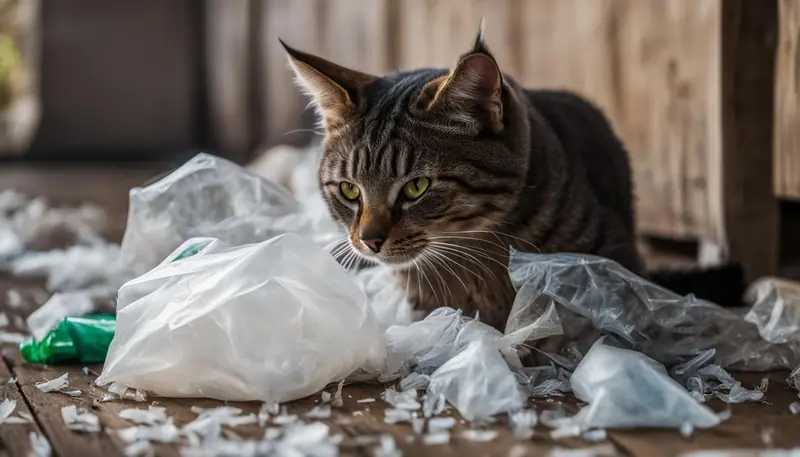
Have you ever wondered why your beloved feline friend has a strange fascination with plastic bags? It’s a behavior that many cat owners have witnessed, but the reasons behind it remain somewhat mysterious. In this article, I will delve into the intriguing world of cat behavior and explore the various theories surrounding why cats chew on plastic bags. I will also shed light on the potential dangers associated with this behavior and provide tips on how to minimize it to ensure the safety and well-being of your furry companion.
Key Takeaways:
- Cats are attracted to the texture and crinkling sound of plastic bags, as well as their natural instinct for security.
- Chewing on plastic bags can pose serious health risks to cats, including choking, intestinal blockages, and ingestion of toxic substances.
- Providing alternative toys and environmental enrichment can help redirect a cat’s chewing behavior.
- Creating a safe environment and employing training techniques can deter cats from chewing on plastic bags.
- If excessive chewing persists, consult with a veterinarian to address any underlying dental issues or behavioral disorders.
The Intriguing Behavior: Exploring Cats’ Attraction to Bags
Cats’ fascination with chewing on plastic bags can be attributed to several factors. Firstly, cats are naturally attracted to the enclosed and cozy spaces that bags provide. These spaces mimic the dens that cats seek out in the wild, offering them a sense of security and comfort. The texture and crinkling sound of the bags also capture cats’ attention, as they find these sensations intriguing and entertaining.
Additionally, bags may carry familiar scents, such as their owners or other household items. Cats have a strong sense of smell and are drawn to scents that they recognize. This could contribute to their attraction to bags and their desire to explore and investigate them.
The playfulness and curiosity of cats also play a role in their attraction to bags. Cats see bags as opportunities for play and exploration. They can jump in and out of bags, hide in them, and even scratch them. The confined space of a bag allows cats to engage in their natural predatory instincts, providing them with an outlet for their energy and stimulating their senses.
The Intriguing Behavior: Exploring Cats’ Attraction to Bags
“Cats are naturally drawn to the enclosed and cozy spaces that bags provide, as well as the texture and sound of the bags. They may also associate bags with familiar scents and see them as opportunities for play and exploration.”
To summarize, the intriguing behavior of cats’ attraction to bags can be attributed to their instinctual behaviors, curiosity, and playfulness. Cats find the enclosed spaces, texture, and sound of bags appealing, and they may associate bags with familiar scents. Understanding these factors can help pet owners provide suitable alternatives and prevent potential risks associated with cats chewing on plastic bags.
The Joy of Hiding: Why Do Cats Find Comfort in Bags
Cats have an innate desire for security and finding cozy hiding spots. This is why they often seek comfort in bags. The enclosed space of a bag provides them with a sense of safety and a retreat from potential threats or stressful situations. It allows them to have a private, secluded space where they can relax and feel protected.
However, while cats may find solace in hiding in bags, it is important to be aware of the potential health risks associated with their chewing behavior. Chewing on plastic bags can lead to serious consequences for our feline friends. Cats may accidentally ingest pieces of the bag, which can cause choking or lead to intestinal blockages. Ingesting plastic can also result in toxicity if the bags have come into contact with harmful substances.
To minimize the risk of cat chewing behavior with plastic bags, it is crucial to take preventive measures. One way to do this is by providing alternative hiding spots and cozy spaces for our cats, such as cat beds or hiding tunnels. By offering them safe and comfortable alternatives, we can redirect their attention away from bags. Additionally, keeping plastic bags out of their reach and storing them securely can help prevent their access to these potentially hazardous items.
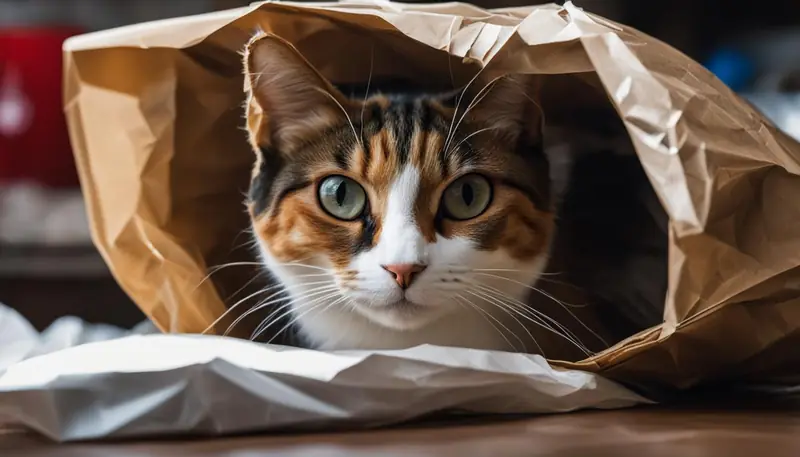
Table: Health Risks of Chewing Plastic Bags
| Health Risks | Consequences |
|---|---|
| Choking | Cats can choke on small pieces of plastic from the bag. |
| Intestinal Blockages | Ingesting plastic can lead to blockages in the digestive system, requiring surgical intervention. |
| Toxicity | Plastic bags may contain harmful substances that can be toxic if ingested. |
Table: Minimizing Cat Chewing Behavior with Plastic Bags
| Preventive Measures | Benefits |
|---|---|
| Provide alternative hiding spots | Redirects cats’ attention away from bags and promotes their sense of security. |
| Keep plastic bags out of reach | Prevents cats from accessing potentially hazardous items. |
| Store bags securely | Reduces the likelihood of accidental ingestion and choking hazards. |
Environmental Enrichment: The Benefits of Bags for Cats
Cats are known for their innate curiosity and need for mental stimulation. Providing environmental enrichment is essential for their overall well-being. Bags can serve as a simple and cost-effective way to keep your feline friend entertained and engaged. By understanding cat chewing behavior and implementing the right strategies, bags can offer numerous benefits for your cat’s mental and physical health.
One of the primary advantages of bags as environmental enrichment for cats is the opportunity for play and exploration. Cats enjoy the confined space that bags offer, allowing them to engage in their natural predatory behaviors. They can pounce, stalk, and hide within the bag, simulating the experience of hunting. This type of play helps to keep their minds sharp and their bodies active.
In addition to play, bags can also provide mental stimulation for cats. The crinkling sound and different textures of plastic bags intrigue cats and keep them engaged. You can further enhance this enrichment by placing toys or treats inside the bag, encouraging your cat to investigate and “hunt” for rewards. This type of interactive play helps to prevent boredom and can reduce undesirable behaviors caused by frustration or lack of mental stimulation.
Table: Benefits of Bags for Cats
| Benefits | Description |
|---|---|
| Physical exercise | The confined space of bags encourages cats to move and play, providing a form of exercise. |
| Mental stimulation | The crinkling sound and different textures of bags capture cats’ attention and keep their minds engaged. |
| Opportunity for play and exploration | Cats can exhibit their natural predatory behaviors by pouncing, stalking, and hiding within the bag. |
| Interactive play | Placing toys or treats inside the bag can encourage cats to investigate and “hunt” for rewards. |
However, it’s crucial to ensure the safety of your cat when using bags as environmental enrichment. While bags can be a source of fun and stimulation, it’s important to monitor your cat’s behavior to prevent excessive chewing or ingestion of the bag material. Always remove any potential hazards, such as handles or loose parts, which could pose a choking or entanglement risk. Supervision is key to ensure that bags are used safely and effectively.
In conclusion, understanding cat chewing behavior and providing appropriate alternatives is essential for preventing unwanted chewing on plastic bags. By incorporating bags as part of an overall environmental enrichment plan, you can offer your cat mental stimulation, physical exercise, and a safe outlet for their natural instincts. Remember to always prioritize your cat’s safety and well-being when implementing environmental enrichment strategies.
Scents and Familiarity: The Role of Smell in Cats’ Attraction to Bags
When it comes to cats’ fascination with chewing on plastic bags, the role of smell cannot be ignored. Cats are highly sensitive to scents, and bags often carry familiar smells that intrigue them. Whether it’s the scent of their owners or interesting objects inside the bags, cats are drawn to the olfactory stimulation they provide. In fact, cats may even rub their bodies or faces on bags to mark them as their territory, thanks to the pheromones they leave behind.
The importance of understanding the role of scent in cats’ attraction to bags lies in finding effective ways to prevent this behavior. By masking or eliminating the scent that attracts cats, we can reduce their desire to chew on plastic bags. This can be done by storing bags in airtight containers or using repellent sprays that deter cats from approaching the bags. Additionally, providing alternative toys and objects that carry familiar scents can redirect their attention away from the bags.
“Cats are highly sensitive to scents, and bags often carry familiar smells that intrigue them.”
It’s worth noting that while scent plays a significant role, it is not the sole factor in cats’ attraction to bags. The texture, sound, and playfulness that bags offer also contribute to their appeal. Therefore, a comprehensive approach that addresses all these aspects is necessary to effectively prevent cats from chewing on plastic bags.
| Methods to prevent cats from chewing on plastic bags: | Effectiveness |
|---|---|
| Storing bags in airtight containers or closed cabinets | Highly effective |
| Using repellent sprays | Moderately effective |
| Providing alternative toys with familiar scents | Highly effective |
Conclusion
In summary, the role of smell in cats’ attraction to bags cannot be underestimated. By understanding the impact of scent and taking proactive measures to eliminate or mask the attractive smells, we can significantly reduce cats’ desire to chew on plastic bags. Additionally, providing alternative toys and objects that engage their senses can redirect their attention and fulfill their natural instincts. Ultimately, a combination of scent management, environmental enrichment, and suitable alternatives is key to preventing cats from chewing on plastic bags and ensuring their well-being.
Textures and Sensations: Why Do Cats Enjoy Chewing on Bags?
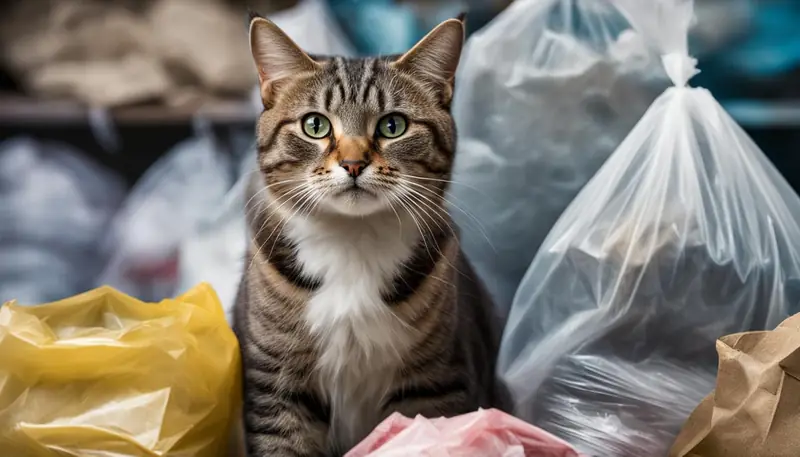
Cats find pleasure in the different textures and sensations that plastic bags provide. The softness of the material and the warmth of the bag nooks make them attractive spots for cats to curl up in and explore. Additionally, the crinkle effect of bags can be intriguing and entertaining for cats to paw at and play with.
While cats may enjoy chewing on bags, it is crucial to monitor their behavior and prevent them from ingesting any plastic. Ingestion of plastic can lead to serious health risks, such as choking or intestinal blockages. By providing appropriate toys and distractions, as well as storing bags safely out of reach, cat owners can minimize the risks associated with this behavior and ensure their feline friends stay safe and healthy.
| Reasons Cats Enjoy Chewing on Bags | Benefits |
|---|---|
| Textural stimulation and satisfaction | – Engages cats’ tactile senses– Provides mental and physical stimulation |
| Sensory appeal of crinkling sound | – Entertains and engages cats– Mimics hunting behaviors |
| Cozy and warm spaces | – Offers comfort and security– Provides a hiding spot |
Overall, the enjoyment that cats get from chewing on bags can be attributed to their natural curiosity and instinctual behaviors. With proper understanding and management, cat owners can ensure that their feline companions have safe alternatives for chewing and remain happy and fulfilled.
Playfulness and Exploration: The Playful Side of Cats and Bags
When it comes to cats and their fascination with plastic bags, playfulness and exploration play a significant role. Cats view bags as a playground, a world full of possibilities waiting to be discovered. They enjoy jumping in and out of bags, hiding inside them, and even scratching at the material. Bags provide a confined space that satisfies their natural predatory instincts as they paw, pounce, and playfully attack the crinkly material.
The texture and sound of the bags also add to the allure. Cats find the crinkle effect intriguing and entertaining, enticing them to interact with the bags. It’s like creating their very own sensory adventure with each rustle and movement. The confined space within the bags taps into their instinctual behaviors, mimicking the cozy dens that cats seek out in the wild. It offers a sense of discovery and exploration within the safety of a small area.
By engaging in play with bags, cats find an outlet for their energy and have the opportunity to express their natural curiosity. It’s important to note that while bags can be a source of entertainment for cats, it’s essential to monitor their behavior to ensure they don’t excessively chew or ingest the bags, which can pose health risks.
In conclusion, cats and bags are a match made for playfulness and exploration. The texture, sound, and confined space of bags provide endless opportunities for cats to engage in their natural instincts. By offering safe alternatives and supervising their play with bags, we can ensure our feline friends have a fun and enriching experience while keeping them safe from potential hazards associated with excessive chewing or ingestion.
Safety Hazards: The Dangers of Cats and Bags
When it comes to cats and plastic bags, there are several safety hazards that pet owners need to be aware of. Cats are naturally curious creatures, and their attraction to bags can lead to potentially dangerous situations. It’s important to take precautions to ensure the safety of your feline companion.
One of the main risks is the possibility of cats crawling into bags and getting stuck. If a bag is closed or has handles, a curious cat may enter it and become trapped. This can lead to suffocation or injury if the bag is not removed promptly. To prevent this, it is crucial to store bags in safe places where cats cannot access them, or to cut the handles to eliminate the risk of entanglement.
In addition, bags that contain food or medication can pose a danger if cats chew on them. Some cats may be tempted to chew on bags that smell like food, leading to the ingestion of harmful substances. Similarly, if a bag contains medication, cats could accidentally ingest it while chewing. To minimize these risks, it’s important to keep bags containing food or medication securely stored where cats cannot reach them.
Table: Potential Safety Hazards of Cats and Bags
| Hazard | Risk |
|---|---|
| Suffocation | If a cat crawls into a closed bag, they may become trapped and suffocate. |
| Entanglement | If a bag has handles, a cat may get entangled and risk strangulation or injury. |
| Ingestion of Harmful Substances | Cats may chew on bags that contain food or medication, leading to ingestion of toxic substances. |
| Choking | If bags are torn or shredded, cats may accidentally swallow small pieces and choke. |
By taking appropriate measures to prevent access to bags and ensuring that bags containing potential hazards are stored safely, you can minimize the risks associated with cats and plastic bags. Additionally, providing alternative toys and environmental enrichment can help redirect your cat’s chewing behavior and provide a safer outlet for their natural instincts.
The Obsessive Behavior: Why Cats Chew on Plastic Bags
When it comes to cats and their fascination with chewing on plastic bags, some individuals may develop an obsessive behavior that requires attention and management. This behavior can be influenced by various factors, including underlying dental issues, dietary deficiencies, or even obsessive-compulsive disorder. Identifying and understanding the root cause of the behavior is crucial in order to implement appropriate strategies to address it.
Cats may exhibit obsessive chewing behavior on plastic bags due to dental discomfort. Dental issues such as tooth decay, gum disease, or misaligned teeth can lead to pain or irritation, causing cats to seek relief by chewing on objects, including plastic bags. Regular dental check-ups and proper dental care can help prevent and manage these issues, reducing the likelihood of obsessive chewing behavior.
Another possible factor contributing to this behavior is dietary deficiencies. Cats require a balanced diet that meets their nutritional needs, and deficiencies in certain nutrients can lead to pica, a condition where cats chew on non-food items. Ensuring that your cat is consuming a high-quality diet that provides all necessary nutrients can help prevent dietary-related chewing behavior.
In some cases, cats may exhibit obsessive-compulsive behavior, including chewing on plastic bags. This behavior may stem from anxiety, stress, or boredom. Engaging cats in interactive play sessions, providing mental stimulation through puzzle toys or treat-dispensing toys, and creating a stimulating environment can help reduce anxiety and redirect their focus away from chewing on plastic bags. Consulting with a veterinarian or animal behaviorist can provide valuable guidance in managing and treating obsessive-compulsive behavior.
Strategies to Prevent and Redirect Chewing Behavior
Preventing cats from chewing on plastic bags can be achieved through a combination of proactive measures and redirection techniques. Here are some tips to help minimize cat chewing behavior with plastic bags:
- Provide alternative toys and scratching posts: Satisfy your cat’s instincts by offering them a variety of toys and scratching posts. This can help redirect their attention away from plastic bags and provide them with appropriate outlets for their energy.
- Use deterrent sprays or double-sided tape: Apply deterrent sprays or cover the bags with double-sided tape to make them less appealing to cats. The unpleasant taste or sticky texture can discourage them from chewing on the bags.
- Store bags in inaccessible places: Keep plastic bags in closed cabinets or other areas that are out of reach for your cat. This helps eliminate their access to the bags and reduces the temptation to chew on them.
- Monitor and redirect attention: Keep a close eye on your cat’s behavior around plastic bags. If you notice them showing interest in the bags, redirect their attention to a toy or engage them in play to distract them from chewing on the bags.
By implementing these strategies, you can help prevent cats from engaging in destructive chewing behavior with plastic bags and ensure their safety.
Redirecting Chewing Behavior: Case Study
Remember, every cat is unique, so it may take time to find the right strategies that work for your furry friend. Consulting with a veterinarian or professional animal behaviorist can provide further guidance and support in preventing and redirecting cat chewing behavior.
| Prevention Strategies | Effectiveness |
|---|---|
| Alternative toys and scratching posts | Highly effective in redirecting attention and providing appropriate outlets for energy. |
| Deterrent sprays or double-sided tape | Can be effective in making plastic bags less appealing for chewing. |
| Storing bags in inaccessible places | Prevents cats’ access to bags and reduces temptation for chewing. |
| Monitoring and redirection | Allows for immediate intervention and redirecting attention away from bags. |
The Role of Breed and Individual Preferences
When it comes to cats and their fascination with chewing on plastic bags, there is no concrete evidence to suggest that certain breeds are more prone to this behavior than others. However, individual preferences can vary, and some cats may have a higher predisposition for exploring and playing with bags due to their natural curiosity and playfulness.
Cats are known for their inquisitive nature, and the crinkling texture and sound of plastic bags can be intriguing to them. Additionally, bags may carry the scent of their owners or contain interesting objects that cats want to investigate. Pheromones also play a significant role in attracting cats to bags, as they may rub their bodies or faces on them to mark them as their territory.
Understanding your cat’s individual preferences and needs can help in addressing their specific behaviors and providing suitable alternatives. By observing their behaviors and providing appropriate toys and environmental enrichment, you can redirect their attention away from plastic bags and promote healthier chewing habits.
Overall, while it might be intriguing to understand why cats are drawn to chewing on plastic bags, the most important thing is to ensure their safety and well-being. By creating a safe environment, providing suitable alternatives, and implementing training and behavior modification techniques, you can help prevent cats from chewing on plastic bags and minimize any potential risks associated with this behavior.
Health Risks and Consequences of Chewing Plastic Bags
Chewing on plastic bags can pose serious health risks to cats. The act of chewing can lead to ingestion of small plastic pieces, which can cause digestive problems and potentially lead to intestinal blockages. These blockages can be life-threatening and may require surgical intervention to remove. Additionally, if the plastic bags contain toxic substances, such as chemicals or food residue, ingestion can result in poisoning and severe illness.
It is important to be vigilant and aware of the signs of ingestion or choking in cats who have a habit of chewing on plastic bags. Symptoms may include vomiting, diarrhea, loss of appetite, difficulty breathing, or abdominal pain. If any of these signs are present, it is crucial to seek immediate veterinary care to prevent further complications.
To minimize the risk of cats chewing on plastic bags, it is essential to store bags in secure locations that are inaccessible to cats. Cabinets with childproof locks or high shelves can be effective options. It is also important to cut handles or tie knots in the bags to prevent entanglement or strangulation. Providing alternative toys and objects for cats to chew on, such as catnip-filled toys or dental chews, can help redirect their chewing behavior and provide appropriate outlets for their instincts.
In summary, cats chewing on plastic bags can lead to serious health consequences. By being proactive in preventing access to bags, providing suitable alternatives, and monitoring for potential health issues, we can ensure the safety and well-being of our feline companions.
| Health Risks of Chewing Plastic Bags | Prevention Tips |
|---|---|
| 1. Digestive problems and intestinal blockages | – Store bags in secure locations– Provide alternative toys– Cut handles or tie knots in the bags |
| 2. Ingestion of toxic substances | – Monitor cats closely when around bags– Seek immediate veterinary care if ingestion occurs |
| 3. Choking or strangulation | – Keep bags out of reach– Cut handles or tie knots in the bags |
Tips to Prevent Cats from Chewing Plastic Bags
Preventing cats from chewing on plastic bags is crucial to ensure their safety and well-being. Here are some practical tips to help you create a safe environment and redirect their behavior:
- Store bags in closed cabinets or in inaccessible places: Keeping plastic bags out of reach will minimize the temptation for cats to chew on them. Ensure that bags are securely stored to prevent accidental access.
- Tie knots or cut handles: By tying knots or cutting handles, you can eliminate potential hazards such as entanglement or strangulation. This simple step can make bags less appealing to curious cats.
- Provide alternative toys and scratching posts: Engage your cat’s natural instincts by offering suitable toys and scratching posts. This will help redirect their attention and provide them with appropriate outlets for their chewing and scratching needs.
- Use deterrent sprays or double-sided tape: Applying deterrent sprays or covering bags with double-sided tape can discourage cats from approaching and chewing on them. The unpleasant texture or taste will make bags less enticing.
- Supervise and redirect their attention: When you see your cat showing interest in a plastic bag, redirect their attention to a more appropriate toy or activity. Engage in interactive play sessions to keep them mentally stimulated and entertained.
By implementing these tips, you can create a safe environment for your feline friend and minimize the risks associated with chewing on plastic bags. Remember to observe your cat’s behavior closely and consult with a veterinarian if you have any concerns or questions.
The Health Risks of Chewing Plastic Bags
Chewing on plastic bags can pose serious health risks to cats. It’s essential to be aware of these risks and take appropriate measures to protect your furry companion:
- Choking: Cats may accidentally swallow small pieces of plastic, which can block their airways and lead to choking.
- Intestinal blockages: Ingesting larger pieces of plastic can cause blockages in the gastrointestinal tract, leading to discomfort, pain, and potential surgery.
- Toxicity: Some plastic bags may contain harmful chemicals or residues that can be toxic if ingested by cats.
Regular veterinary check-ups and a healthy diet can help minimize the risk of chewing on plastic bags. If you suspect your cat has ingested plastic or is experiencing any related health issues, seek immediate veterinary care for proper evaluation and treatment.
Promoting Healthy Alternatives and Diversifying Toys
When it comes to preventing cats from chewing on plastic bags, it’s essential to provide them with healthy alternatives and diversify their toys. By offering engaging and interactive toys, you can redirect their attention and keep them entertained. Puzzle feeders, for example, can provide mental stimulation while simultaneously satisfying their natural instincts. Scratching posts are also beneficial, as they allow cats to fulfill their need to scratch and stretch.
Another effective strategy is to regularly rotate their toys and introduce new ones. Cats can quickly lose interest in the same toys, so it’s important to keep their playtime engaging and exciting. By presenting a variety of toys with different textures, shapes, and sounds, you can provide them with a diverse range of experiences. This not only prevents them from fixating on plastic bags but also encourages them to explore their environment and engage their senses.
Additionally, interactive play sessions with your cat are crucial for stimulating their minds and bodies. Use toys that promote active play, such as wand toys or laser pointers. These types of toys simulate prey-like movements and behaviors, encouraging your cat to chase, pounce, and swat. Remember to always supervise interactive play sessions and avoid using toys with small parts that can be easily chewed off and swallowed.
| Benefits of Promoting Healthy Alternatives and Diversifying Toys | Examples |
|---|---|
| Prevents boredom and destructive behavior | Interactive treat dispensers, puzzle toys |
| Provides mental stimulation and exercise | Feather wands, laser pointers |
| Satisfies natural instincts | Scratching posts, toys that mimic prey |
| Encourages exploration and sensory engagement | Toys with different textures and sounds |
Remember, every cat is unique, so it’s important to observe and understand their preferences. Some cats may prefer toys they can bat and chase, while others may enjoy toys they can cuddle and kick. By providing a range of options, you can cater to their individual interests and keep them engaged. If you notice that your cat is particularly drawn to a specific type of toy, try to incorporate it into their playtime routine regularly.
Tips to Prevent Cats from Chewing Plastic Bags
If you’re concerned about your cat’s chewing behavior when it comes to plastic bags, here are some effective strategies to prevent this habit and ensure their safety:
Create a Safe Environment
Store plastic bags in closed cabinets or out of reach of your cat. Cutting handles or tying knots can help prevent entanglement. Providing appropriate stimulation and enrichment, such as interactive toys and scratching posts, can also prevent boredom and redirect their attention away from bags.
Use Deterrents
Apply deterrent sprays or cover bags with double-sided tape to discourage cats from showing interest in them. The sticky texture or unpleasant taste can act as a deterrent and make bags less appealing to chew on.
Offer Alternatives
Provide your cat with alternative toys and play opportunities to satisfy their instincts and distract them from chewing on bags. Interactive toys, puzzle feeders, and scratching posts can keep them engaged and mentally stimulated.
| Tip | Description |
|---|---|
| Monitor and Redirect | Be vigilant and redirect your cat’s attention when they show interest in bags. Offer them a toy or engage them in play to divert their focus. |
| Positive Reinforcement | Use positive reinforcement techniques, such as clicker training, to reward desired behaviors and encourage your cat to engage in alternative activities. |
| Consult a Professional | If your cat’s chewing behavior persists or becomes obsessive, consult a professional animal behaviorist or veterinarian for guidance and support in implementing effective training strategies. |
By implementing these tips and techniques, you can help prevent your cat from chewing on plastic bags and ensure a safe and enriched environment for them to thrive in.
Conclusion
In conclusion, understanding and addressing cat behavior of chewing on plastic bags is crucial for the safety and well-being of our feline companions. While the reasons behind this behavior may vary, it is important to recognize the potential risks and take steps to minimize cat chewing behavior with plastic bags.
By providing alternative toys and environmental enrichment, we can redirect their attention and satisfy their natural instincts. Interactive toys, puzzle feeders, and scratching posts can offer healthy alternatives to satisfy their need for play and exploration. Regularly rotating toys and diversifying their options can keep cats engaged and prevent fixation on plastic bags.
In addition to providing alternatives, creating a safe environment is essential. Storing bags in closed cabinets or out of reach of cats, cutting handles or tying knots, and supervising their access to bags can help minimize the risks associated with chewing. It is also important to be aware of potential health hazards and seek veterinary care if any concerns arise.
Finally, training and behavior modification techniques can be valuable in addressing cat chewing behavior. Positive reinforcement training methods, such as clicker training, can help redirect their focus and reward desired behaviors. Consistency, patience, and understanding their individual needs are key to successful training.
Remember, by prioritizing their safety and well-being, we can ensure a harmonious coexistence with our feline friends while minimizing their chewing behavior with plastic bags.
FAQ
Why do cats chew on plastic bags?
The exact reasons behind this behavior are not entirely understood, but it may be due to the texture, crinkling sound, and their natural instincts for security.
Are cats attracted to bags because of their instinctual behaviors?
Yes, cats are drawn to bags because they mimic the enclosed and cozy spaces that cats seek out in the wild. Bags also offer a sense of security and comfort.
Can cats view bags as an opportunity for play and exploration?
Yes, cats may see bags as a chance for play and discovery. They can jump in and out of bags, hide in them, and even scratch them.
Are there any dangers associated with cats chewing on plastic bags?
Yes, chewing on plastic bags can pose serious health risks to cats, including choking, intestinal blockages, and ingestion of toxic substances.
How can I prevent my cat from chewing on plastic bags?
You can prevent cat chewing behavior by providing alternative toys and scratching posts, using deterrent sprays or double-sided tape on bags, and storing bags in safe places.
Why are cats attracted to the scent of bags?
Bags may have familiar scents, such as their owners, and cats are attracted to scents. Cats may also rub their bodies or faces on bags to mark them as their territory.
What textures and sensations do cats enjoy about plastic bags?
Cats find pleasure in the different textures, sounds, and sensations that plastic bags provide. They may knead, claw, and paw at the material, finding it satisfying and entertaining.
Can bags serve as environmental enrichment for cats?
Yes, bags can provide mental stimulation and entertainment for cats. They offer a sense of discovery and can help prevent destructive behavior and excessive meowing due to boredom.
What are the safety hazards associated with cats and bags?
Cats may crawl into bags and get stuck, leading to suffocation or injury. Bags with handles can also pose a risk of strangulation or choking. If bags contain food or medication, cats may chew and ingest harmful substances.
Why do some cats develop an obsessive behavior of chewing on plastic bags?
Obsessive behavior may be due to underlying dental issues, dietary deficiencies, or even obsessive-compulsive disorder. Identifying the root cause and consulting a veterinarian is crucial.
How can I redirect my cat’s chewing behavior away from plastic bags?
Providing healthy alternatives, diversifying toys, and engaging in play and mental stimulation can help redirect your cat’s attention. Positive reinforcement training methods can also be effective.
Are certain cat breeds more prone to liking bags?
There is no concrete evidence to suggest that certain cat breeds are more prone to liking bags. Individual preferences can vary based on natural curiosity and playfulness.
What are the health risks of cats chewing on plastic bags?
Chewing on plastic bags can lead to digestive problems, intestinal blockages, and even toxicity if the bags contain harmful substances. Regular check-ups and a healthy diet can help minimize these risks.
How can I create a safe environment for my cat to prevent access to plastic bags?
Store bags in closed cabinets or out of reach, cut handles or tie knots to prevent entanglement, and provide stimulation and enrichment to prevent boredom.
How can I promote healthy alternatives to chewing on plastic bags?
Provide interactive toys, puzzle feeders, and scratching posts as alternatives. Regularly rotate toys and introduce new ones to keep your cat engaged and satisfied.
Are there any training techniques to address cat chewing behavior?
Yes, positive reinforcement training methods like clicker training can help redirect your cat’s focus and reward desired behaviors. Consistency and understanding your cat’s individual needs are key.