Why Is My Cat Moving Her Kittens Under My Bed: A Closer Look At the Subject
In this guide
- Key Takeaways:
- Is it Normal for Cats to Move Their Kittens?
- Why Do Mother Cats Move Their Kittens?
- How Far Do Cats Move Their Kittens?
- Why Does My Cat Separate Her Kittens?
- Why Does My Cat Keep Bringing Me Her Kittens?
- My Cat Moved Her Kittens and Can’t Find Them
- How to Stop a Cat from Moving Her Kittens
- The Maternal Role of Cats
- The Importance of Maternal Instincts
- Observing and Understanding Cat Behavior
- Creating a Safe and Comfortable Environment
- The Transition to Independence
- Ensuring the Health and Well-being of the Kittens
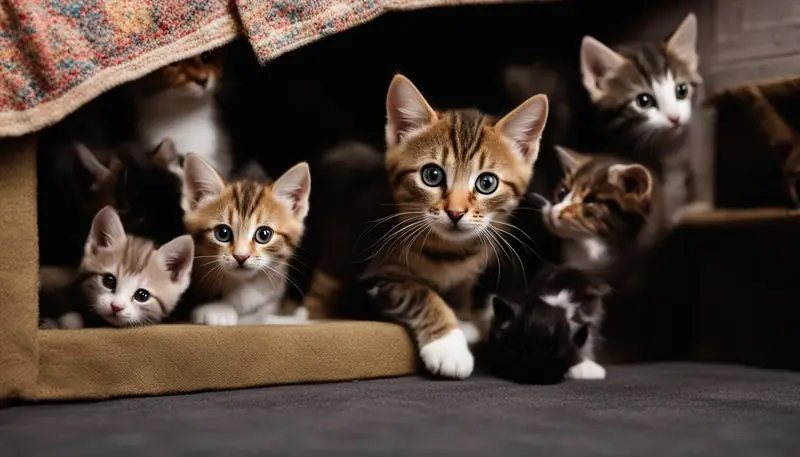
As a cat owner, you may have noticed your feline friend moving her kittens under your bed. It can be a perplexing sight, but rest assured, there are reasons behind this behavior. Let’s delve into why cats exhibit this fascinating instinctual behavior and what it means for your furry family.
Female cats have a natural instinct to move their kittens for various reasons, including protection, warmth, and safety. It is normal for a mother cat to relocate her kittens, especially during the first two weeks of their lives. This behavior is driven by maternal instincts and is done to ensure the well-being of the kittens. However, it is important to observe the mother cat’s behavior and ensure that the environment in which the kittens are being moved is safe and suitable for their needs.
Key Takeaways:
- Mother cats move their kittens under the bed for protection, warmth, and safety.
- This behavior is driven by maternal instincts and is common during the first two weeks of the kittens’ lives.
- It is important to ensure that the environment under the bed is safe and suitable for the kittens’ needs.
- Observing the mother cat’s behavior is crucial to understanding and supporting her maternal instincts.
- Creating a safe and comfortable environment for the entire feline family is essential for their well-being.
Is it Normal for Cats to Move Their Kittens?
It is completely normal for cats to move their kittens. This behavior is driven by a combination of maternal instincts and the need to create a safe and secure environment for the kittens. Cats may move their kittens for reasons such as privacy, excessive stimulation, dirty or soiled territory, warmth, safety, and education. It is important for cat owners to understand and respect this natural behavior.
Cats have strong maternal instincts, and moving their kittens is a way for them to ensure their safety and well-being. By relocating the kittens, the mother cat can protect them from potential threats and provide them with a more suitable environment. This behavior is especially common during the first few weeks of the kittens’ lives when they are most vulnerable.
Reasons for Cats Moving Their Kittens:
- Privacy: Cats prefer to give birth and raise their kittens in a secluded area where they can have some peace and quiet.
- Excessive Stimulation: If the mother cat feels that the kittens are becoming overwhelmed by too much noise or activity, she may move them to a calmer location.
- Dirty or Soiled Territory: If the previous nesting area becomes dirty or soiled, the mother cat may instinctively move her kittens to a cleaner and safer spot.
- Warmth: Mother cats also move their kittens to ensure they are kept warm and cozy, especially during colder weather.
- Safety and Education: Moving the kittens can help them learn about their surroundings and develop important survival skills, such as hunting and exploring.
It’s important for cat owners to provide a safe and comfortable environment for the mother cat and her kittens. This includes providing a warm and quiet nesting area, ensuring proper hygiene, and supporting the mother cat in her caregiving duties. By understanding and respecting the natural behavior of cats, owners can help ensure the well-being and development of the kittens while fostering a strong bond between the mother and her offspring.
Table: Reasons for Cats Moving Their Kittens
| Reason | Description |
|---|---|
| Privacy | Cats prefer a secluded area for birthing and raising kittens. |
| Excessive Stimulation | Mother cats may move their kittens to a quieter location if they feel they are becoming overwhelmed. |
| Dirty or Soiled Territory | If the nesting area becomes dirty or soiled, the mother cat will instinctively move her kittens to a cleaner spot. |
| Warmth | Mother cats relocate their kittens to ensure they stay warm and cozy, especially during colder weather. |
| Safety and Education | Moving the kittens helps them learn about their surroundings and develop important survival skills. |
Why Do Mother Cats Move Their Kittens?
Mother cats have a natural instinct to move their kittens, and there are several reasons behind this behavior. Understanding why mother cats move their kittens can help cat owners provide a suitable environment for their furry family members.
One of the main reasons why mother cats move their kittens is to provide protection and ensure their safety. By relocating the kittens to a secluded location, the mother cat can reduce the risk of potential threats and predators. Additionally, moving the kittens helps create a sense of privacy, which is essential for the birthing process and early bonding between the mother and her offspring.
Another reason why mother cats move their kittens is to regulate their exposure to external stimuli. Newborn kittens are highly sensitive to light, noise, and other stimulating factors. By moving the kittens, the mother cat can control their environment and prevent them from becoming overwhelmed. This allows the kittens to adjust gradually to their surroundings and ensures their overall well-being.
| Reasons | Benefits |
|---|---|
| Protection | Reduced risk of threats and predators |
| Privacy | Facilitates the birthing process and bonding |
| Regulation of stimuli | Prevents overwhelming the kittens |
“Mother cats move their kittens to provide protection, privacy, and regulate their exposure to external stimuli.”
It’s important to note that not all mother cats exhibit the same behavior when it comes to moving their kittens. Some may move their kittens frequently, while others may choose to keep them in a single location. This can vary based on the mother cat’s personality, the specific circumstances, and the perceived level of safety in the environment.
By understanding the reasons behind a mother cat’s behavior, cat owners can better support and provide a suitable environment for the mother and her kittens. Creating a quiet, warm, and secure space for the family and respecting the mother cat’s instincts can help ensure the well-being and development of the kittens.
How Far Do Cats Move Their Kittens?
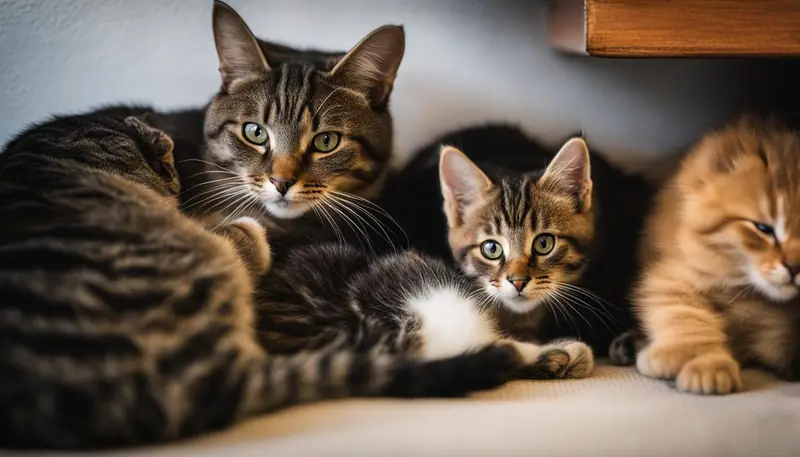
When it comes to moving their kittens, cats can cover varying distances depending on the circumstances. Some mother cats may only move their kittens a few feet away from the original birthplace, while others may relocate them to a different room or even outside the house. The distance that cats move their kittens is influenced by factors such as the availability of a safe and suitable location and the mother cat’s instinctual need to provide warmth, comfort, and protection for her offspring.
It is important to note that the primary concern is not the distance covered but rather the suitability of the new location. The new area must offer a secure environment that meets the kittens’ needs, including protection from potential dangers and access to food, water, and warmth.
While there is no specific distance that cats are expected to move their kittens, it is essential for cat owners to be observant and provide assistance if necessary. If a mother cat moves her kittens to an area that is unsafe or unsuitable, it may be necessary to intervene and relocate the kittens to a more appropriate location with the guidance of a veterinarian or animal care professional.
Understanding the reasons behind a cat’s decision to move her kittens and ensuring their well-being in the new location is crucial for creating a safe and nurturing environment for the feline family.
The Importance of Providing a Safe Environment for Relocated Kittens
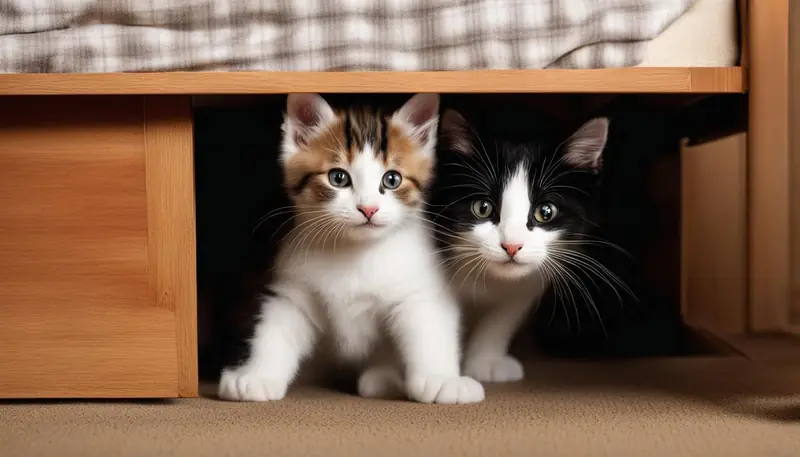
Creating a safe and comfortable environment for relocated kittens is vital to their well-being and development. This includes ensuring that the new location provides adequate warmth, protection from predators, and a clean and hygienic space for the kittens to thrive. Additionally, providing the necessary resources such as food, water, and a litter box in the new area is essential for their health and overall growth.
By understanding the distance that cats move their kittens and taking the necessary steps to ensure their safety and comfort in the new location, cat owners can support the mother cat in her natural instinct to provide the best care for her offspring.
Why Does My Cat Separate Her Kittens?
Cats may separate their kittens for a variety of reasons. One possible reason is the need to ensure each kitten gets enough attention and nourishment. By separating the kittens, the mother cat can focus on each individual’s needs, ensuring they receive the care and nurturing required for their healthy development. It also prevents dominant or more assertive kittens from dominating resources, such as food or warmth, which can be detrimental to the more submissive ones.
Separating the kittens can also be a protective measure. If one of the kittens becomes sick or shows signs of illness, the mother cat may separate them to prevent the spread of disease to the other kittens. This demonstrates the cat’s instinctual understanding of the importance of quarantine to maintain the overall health and well-being of the litter.
“Separating the kittens helps prevent the spread of diseases or infections if one of the kittens becomes sick.”
Additionally, as the kittens grow older and start becoming more independent, the mother cat may begin to separate them to encourage their development and readiness to explore the world on their own. This process helps the kittens gain confidence and self-reliance, preparing them for their eventual transition to independence.
Why Does My Cat Keep Bringing Me Her Kittens?
As a cat owner, you may find yourself in a heartwarming situation where your feline friend brings her kittens to you. This behavior may leave you wondering why she does it. When a cat brings her kittens to you, it is a display of trust and a desire to bond with you. It shows that she feels comfortable and secure in your presence, seeing you as a source of support and protection. Handling the kittens with care is important, as it respects the mother cat’s instincts and boundaries.
When a mother cat brings her kittens to you, it is her way of seeking your approval and acceptance of her offspring. Just like humans, cats are social creatures, and these actions are a way for her to establish a close connection with you. It is an invitation for you to be a part of their lives and an opportunity for you to witness the adorable moments and milestones of the kittens’ early days.
It is important to remember that the mother cat may have specific reasons for bringing her kittens to you. It could be for assistance, such as if one of the kittens needs extra care or attention. It could also be a way for her to show you the progress of her little ones, sharing her joy and pride with you. By observing and respecting her behavior, you can strengthen the bond between you and experience the joy of being a part of their growth and development.
My Cat Moved Her Kittens and Can’t Find Them
It is not uncommon for a mother cat to temporarily lose track of her kittens after moving them. This can happen due to various factors, such as the unfamiliarity of the new location or the mother’s temporary absence from the kittens. If this happens, it is important to help the mother cat locate her kittens as quickly as possible to ensure their safety and well-being.
When a mother cat moves her kittens to a new location, she may need some time to adjust and find her way back to them. In the meantime, you can assist by providing a quiet and enclosed area where the kittens can stay until the mother returns. Make sure this space is warm, comfortable, and free from any potential dangers. You can also use familiar scents, like the mother’s bedding or the kittens’ blankets, to help the mother cat locate her offspring.
If the mother cat still can’t find her kittens after some time, it may be necessary to intervene and actively search for them. Begin by thoroughly checking the immediate surroundings where the mother moved the kittens. Look for any signs of their presence, such as meowing sounds, small paw prints, or disturbed areas. You can also try calling the mother cat’s name or using sounds that she associates with her kittens, such as a squeaking toy or a recording of their cries.
If your cat still can’t find her kittens, consider seeking assistance from a veterinarian or an experienced feline professional. They can provide guidance on how to locate the kittens or offer additional resources to help reunite the mother and her offspring. Remember, the safety and well-being of the kittens should always be the top priority.
How to Stop a Cat from Moving Her Kittens
If you’re wondering how to stop a cat from moving her kittens, it’s important to approach the situation with care and understanding. While it may be tempting to intervene, it’s generally best to respect the mother cat’s natural instincts. However, there are steps you can take to create a safe and comfortable environment for both the mother cat and her kittens.
1. Avoid Excessive Handling: Limit the amount of handling you do with the kittens, as frequent disturbance can cause stress for the mother cat and potentially lead to her moving them more frequently.
2. Maintain a Clean and Quiet Environment: Make sure the area where the kittens are located is clean and free from any strong odors. Also, keep noise levels to a minimum to provide a calm and secure space for the mother cat and her offspring.
3. Monitor Health and Well-being: Keep a close eye on the health of the mother cat and her kittens. Ensure they have access to fresh water, nutritious food, and a comfortable temperature. If you notice any signs of distress or illness, consult a veterinarian for guidance.
Remember, every cat is unique, and their behaviors may vary. It’s crucial to be patient and understanding during this time, allowing the mother cat to instinctively care for her young. By providing a safe and nurturing environment, you can help support the well-being and development of the kittens.
Table: Tips to Stop a Cat from Moving Her Kittens
| Tips | Description |
|---|---|
| Avoid Excessive Handling | Limit the amount of handling you do with the kittens to avoid causing stress for the mother cat. |
| Maintain a Clean and Quiet Environment | Ensure the area where the kittens are located is clean and free from strong odors. Keep noise levels to a minimum to create a calm and secure space. |
| Monitor Health and Well-being | Keep a close eye on the health of the mother cat and her kittens. Provide access to fresh water, nutritious food, and a comfortable temperature. |
The Maternal Role of Cats
Cats have a unique and powerful maternal instinct that plays a significant role in their lives. As a cat owner, it’s essential to understand and appreciate the inherent qualities of mother cats and the importance of their maternal role. The maternal instincts of cats drive them to provide protection, nourishment, and guidance to their kittens, ensuring their survival and development.
When it comes to the maternal role, mother cats excel in creating a safe and nurturing environment for their kittens. They meticulously choose a secluded and secure nesting spot where they can give birth and raise their offspring. This carefully chosen location provides privacy, warmth, and protection from potential threats, allowing the kittens to grow and thrive.
Throughout the early stages of their development, mother cats play a crucial role in teaching their kittens essential skills for survival. They demonstrate hunting techniques, litter box usage, and social interactions, preparing the kittens for their future independence. This guidance helps shape the kittens’ behavior, allowing them to navigate their environment with confidence and adaptability.
The bond between a mother cat and her kittens is incredibly strong and enduring. The mother cat’s nurturing behavior and the kittens’ reliance on her create a deep connection that lasts a lifetime. Even as the kittens grow older and become more independent, the mother cat continues to provide emotional support and guidance, ensuring their overall well-being.
The Maternal Role of Cats in Summary:
- Providing protection, nourishment, and guidance to their kittens
- Creating a safe and nurturing environment for the kittens
- Teaching essential skills for survival and independence
- Fostering a strong and enduring bond between mother and offspring
| Key Attributes | Examples |
|---|---|
| Protection | Defending the kittens from potential threats |
| Nourishment | Providing milk and weaning the kittens onto solid food |
| Guidance | Teaching hunting, litter box usage, and social skills |
| Bonding | Cultivating a strong emotional connection with the kittens |
The Importance of Maternal Instincts
Maternal instincts are a fundamental aspect of a mother cat’s behavior and play a crucial role in the survival and well-being of her kittens. These powerful instincts drive the mother cat to provide essential care and protection to her offspring, ensuring their growth and development into healthy adult cats.
One of the key functions of maternal instincts is to create a safe and secure environment for the kittens. The mother cat will diligently search for the ideal nesting spot, where she can establish a comfortable and secluded space for her kittens to grow. This nesting spot provides warmth, protection from predators, and a sense of security, allowing the kittens to flourish.
In addition to creating a safe environment, maternal instincts also guide the mother cat in meeting the kittens’ basic needs. The mother cat instinctively seeks nourishment for her young by producing milk and allowing the kittens to suckle. She also grooms the kittens, teaching them proper hygiene habits and strengthening the bond between mother and offspring. These nurturing behaviors foster the physical and emotional well-being of the kittens, setting them on the path to a healthy and fulfilled life.
| Benefits of Maternal Instincts | Role of Maternal Instincts |
|---|---|
| Protection from predators | Providing a safe and secure environment |
| Ensuring proper nutrition through milk production | Guiding the growth and development of kittens |
| Promoting hygiene through grooming | Enhancing the bond between mother and offspring |
Maternal instincts are deeply ingrained in a mother cat’s nature, and they are vital for the survival and well-being of her kittens. These instincts guide her in creating a safe and nurturing environment, providing nourishment, protection, and emotional support to her offspring. The importance of maternal instincts cannot be understated, as they shape the early experiences and development of the kittens, paving the way for a healthy and successful life.
Observing and Understanding Cat Behavior
Observing and understanding cat behavior is essential for cat owners to ensure the well-being and happiness of their feline companions. By paying attention to their actions, body language, and vocalizations, we can gain valuable insights into their needs and emotions. This understanding allows us to create a harmonious and supportive environment for our cats.
Cats communicate through their behavior, and by observing and interpreting their actions, we can better respond to their needs. For example, a cat may purr to express contentment and relaxation, while hissing or growling may indicate fear or aggression. By recognizing these signals, we can adjust our interactions accordingly, providing comfort and reassurance when needed or giving them space to feel safe.
Common Cat Behaviors and their Meanings
- Grooming: Cats groom themselves as a way to maintain hygiene and to mark their territory with their scent. It is a sign of self-care and contentment.
- Kneading: This behavior involves a cat pushing and flexing their paws against a soft surface. It is often a sign of relaxation, as it mimics the actions kittens make while nursing with their mother.
- Scratching: Cats scratch to maintain the health of their claws, stretch their muscles, and mark their territory. Providing appropriate scratching posts can redirect this behavior and protect furniture.
- Playfulness: Cats are naturally curious and playful animals. Engaging them in interactive play with toys or laser pointers not only provides mental stimulation but also helps build a stronger bond with them.
Understanding cat behavior also involves recognizing signs of discomfort or distress. These can include excessive grooming, changes in appetite or litter box habits, hiding, aggression, or avoidance behaviors. If any of these behaviors persist or cause concern, it is important to consult with a veterinarian to rule out any underlying medical conditions that may be contributing to these behaviors.
Building Trust and Strengthening the Bond
Building a strong bond with our cats requires patience, understanding, and a deep appreciation for their unique personalities. By observing and respecting their preferences, we can create an environment that makes them feel safe and loved. This can include providing comfortable hiding spots, groomingsessions, and engaging in interactive play. It’s important to remember that each cat is an individual, and their behavior may vary.
Observing and understanding cat behavior not only helps us meet their physical and emotional needs but also enhances our relationship with them. By actively engaging with our feline companions, we can create a loving and enriching home environment that promotes their well-being and happiness.
Creating a Safe and Comfortable Environment
Creating a safe and comfortable environment is crucial for the well-being of mother cats and their kittens. A quiet and secluded nesting area provides the privacy and security that mother cats seek for their newborns. It is important to ensure that the nesting area is clean and free of any potential hazards or contaminants that may harm the kittens.
Maintaining proper temperature and humidity levels is essential for the health and comfort of the mother cat and her kittens. A warm and cozy environment helps regulate the body temperature of the kittens, especially during their early weeks when they are unable to generate their own body heat. Providing a comfortable bedding material, such as soft blankets or towels, adds an extra layer of warmth and comfort to the nesting area.
In addition to physical comfort, a safe environment also means minimizing potential risks and dangers. Keep the nesting area away from high traffic areas and loud noises to prevent unnecessary stress and disturbances. It is also important to ensure that the kittens cannot escape or wander into hazardous areas. Taking these precautions will help create a secure environment where the mother cat can confidently care for her kittens.
Table: Essential Elements for Creating a Safe and Comfortable Environment
| Element | Description |
|---|---|
| Nesting Area | A quiet and secluded space for the mother cat and her kittens to rest and bond. |
| Cleanliness | Regular cleaning of the nesting area to maintain hygiene and prevent the spread of diseases or infections. |
| Temperature and Humidity | Maintaining a suitable temperature and humidity level for the comfort and well-being of the mother cat and her kittens. |
| Bedding | Providing soft and comfortable bedding material to keep the kittens warm and cozy. |
| Safety Measures | Ensuring that the nesting area is secure and free from potential hazards or escape routes that may endanger the kittens. |
By creating a safe and comfortable environment, cat owners can support the natural instincts of mother cats and promote the healthy development of their kittens. Providing the necessary warmth, security, and cleanliness helps ensure the well-being and happiness of both the feline family and their human caregivers.
The Transition to Independence
As kittens grow older, they naturally go through a transition phase where they become more independent and start exploring their surroundings. This gradual process is an important part of their development and prepares them for their eventual transition to their new homes.
During this time, kittens will start venturing further away from their nesting area and become more curious about their environment. They will begin to explore, play, and interact with their littermates, as well as with their mother. This exploration helps them develop their physical coordination, social skills, and problem-solving abilities.
It’s crucial for cat owners to provide a safe and stimulating environment during this transition phase. This includes creating areas for the kittens to explore, such as a kitten-proofed room or designated play area with toys and scratching posts. It’s also important to gradually introduce them to new experiences, sights, and sounds to help them adjust and build confidence.
| Benefits of the Transition to Independence | Challenges during the Transition Phase |
|---|---|
|
|
During the transition phase, it’s important for cat owners to provide a balance of love and support while gradually encouraging independence. This includes giving them space to explore, but also being there to comfort and reassure them when needed. It’s important to remember that each kitten will go through this transition at their own pace, so patience and understanding are key.
Ensuring the Health and Well-being of the Kittens
In order to ensure the health and well-being of the kittens, proper care and attention are essential. Here are some important factors to consider:
Diet and Nutrition:
Providing the kittens with a balanced and nutritious diet is crucial for their growth and development. Consult with a veterinarian to determine the appropriate type of kitten food and feeding schedule. It is important to monitor their weight gain and adjust the portions accordingly. Additionally, always ensure that fresh water is available for the kittens.
Veterinary Care:
Regular veterinary check-ups are vital to monitor the kittens’ overall health and identify any potential issues early on. Vaccinations and deworming should be administered as recommended by the veterinarian. If any signs of illness or discomfort are observed, it is important to seek veterinary attention promptly.
Environmental Safety:
Create a safe and secure environment for the kittens to explore and play. Remove any hazardous objects or substances that can pose a risk to their health. Ensure that electrical cords are secured and inaccessible, and block off any small spaces where the kittens may get trapped. Regularly clean their living area to maintain proper hygiene.
| Signs of Good Health in Kittens |
|---|
| Active and playful behavior |
| Good appetite and weight gain |
| Clean and shiny coat |
| Bright and alert eyes |
| Regular bowel movements |
Monitoring the overall well-being of the kittens is essential. Keep an eye out for any changes in behavior or physical appearance that may indicate a potential health issue. Early detection and intervention can significantly improve the outcomes for the kittens.
By ensuring proper nutrition, veterinary care, and a safe environment, you can help promote the health and well-being of the kittens. Creating a nurturing and supportive environment is crucial for their development and sets the foundation for a happy and healthy life.
The Role of the Owner in Supporting the Mother Cat
As a cat owner, it is important to understand your role in supporting the mother cat as she cares for her kittens. Your presence and actions can greatly influence the well-being and development of the feline family. By providing a safe and comfortable environment, offering emotional support, and assisting with care, you can help ensure the best possible outcome for both the mother cat and her kittens.
Creating a safe and comfortable environment for the mother cat and her kittens is paramount. This includes providing a quiet and secluded nesting area, free from disturbances and potential hazards. You can set up a cozy space with a soft bed, blankets, and a litter box nearby for convenience. Ensuring that the space is clean and warm will contribute to the overall well-being of the feline family.
Supporting the mother cat emotionally is also essential. Cats are sensitive creatures, and they thrive on love and attention. Spend quality time with the mother cat, engaging in gentle play and providing soothing strokes. This will not only strengthen your bond but also promote a sense of security for the mother cat, which will ultimately benefit her kittens as well.
Assisting with the care and handling of the kittens is another important aspect of your role. While it is crucial to give the mother cat space and allow her to care for her offspring, there may be times when your help is needed. This could include monitoring the kittens’ health, providing supplemental feedings if necessary, and helping with litter box training as they grow older. Remember to always handle the kittens with care and respect the mother cat’s instincts and boundaries.
Tips for Supporting the Mother Cat:
- Provide a safe and comfortable nesting area.
- Offer emotional support through play and affection.
- Assist with monitoring the kittens’ health.
- Help with care tasks, such as supplemental feedings and litter box training.
- Respect the mother cat’s instincts and boundaries.
Conclusion
As an owner, your role in supporting the mother cat is vital for the well-being of the entire feline family. By creating a safe environment, offering emotional support, and providing assistance when needed, you can contribute to the healthy development and happiness of the mother cat and her kittens. Remember to always observe and respect the natural instincts of the mother cat, ensuring that her needs and those of her kittens are met.
Conclusion
In conclusion, understanding why a cat moves her kittens under the bed is important for cat owners to create a safe and nurturing environment for their feline family. It is completely normal for cats to move their kittens, driven by their strong maternal instincts and the need to provide protection and security. Cats may move their kittens for various reasons, such as privacy, safety, and regulating their exposure to external stimuli.
As responsible owners, it is crucial to respect and support the mother cat’s natural behavior. Avoid interfering with the mother cat’s instinct to move her kittens unless there are concerns for their safety. Instead, focus on providing a comfortable and clean environment with proper nutrition and regular veterinary care to ensure the well-being of both the mother cat and her kittens.
Observing and understanding cat behavior is key to maintaining a harmonious relationship with your feline family. By closely watching the mother cat’s actions, body language, and vocalizations, you can gain valuable insights into their needs and emotions. This knowledge will help you create a nurturing and supportive environment that fosters a strong bond between the mother cat and her offspring.
Remember, the transition to independence is a natural part of the kittens’ development. As they grow older, they will start exploring their surroundings and becoming more self-reliant. Provide them with the necessary guidance and support during this phase to ensure a smooth transition to their new homes.
FAQ
Why is my cat moving her kittens under my bed?
Cats may move their kittens under your bed for various reasons, including the need for a secluded and safe nesting spot. The dark and quiet environment provides the mother cat a sense of security for her and her kittens.
Is it normal for cats to move their kittens?
Yes, it is completely normal for mother cats to move their kittens. This behavior is driven by their maternal instincts and the desire to create a safe and secure environment for their offspring.
Why do mother cats move their kittens?
Mother cats move their kittens for reasons such as protection, privacy, warmth, safety, and education. It is a natural behavior to ensure the well-being of the kittens.
How far do cats move their kittens?
The distance that cats move their kittens can vary. Sometimes, a mother cat may only move her kittens a few feet away, while in other cases, she may relocate them to a different room or even outside the house. The key is to provide a safe and suitable environment for the kittens.
Why does my cat separate her kittens?
Cats may separate their kittens for various reasons, including ensuring each kitten receives enough attention and nourishment. Separating the kittens also helps prevent the spread of diseases and infections and encourages the kittens’ development and readiness to explore the world on their own.
Why does my cat keep bringing me her kittens?
When a cat brings her kittens to you, it can be seen as a sign of trust and bonding. The cat feels comfortable and secure in your presence and sees you as a source of support and protection.
My cat moved her kittens and can’t find them. What should I do?
If your cat has temporarily lost track of her kittens, it is important to help her locate them as quickly as possible. This will ensure their safety and well-being. You can assist by searching the area thoroughly and providing a quiet and secure space for the mother cat to reunite with her kittens.
How to stop a cat from moving her kittens?
It is generally advised to avoid interfering with a mother cat’s natural instinct to move her kittens. However, you can create a safe and comfortable environment for both the mother cat and her kittens, such as avoiding excessive handling, keeping the territory clean and quiet, and monitoring their health.
What is the maternal role of cats?
The maternal role of cats involves providing protection, nourishment, and guidance to their kittens. Mother cats create a safe and nurturing environment, ensure their physical and emotional well-being, and foster a strong bond between mother and offspring.
What is the importance of maternal instincts in cats?
Maternal instincts play a vital role in the survival of newborn kittens. These instincts drive the mother cat to seek out a safe and secure nesting spot, provide nourishment and warmth to her kittens, and protect them from potential dangers.
How can I observe and understand cat behavior?
Closely observing and understanding cat behavior is crucial for cat owners. By paying attention to their actions, body language, and vocalizations, you can gain valuable insights into their needs and emotions.
How can I create a safe and comfortable environment for cats and kittens?
To create a safe and comfortable environment, provide a quiet and secluded nesting area, maintain cleanliness, ensure proper temperature and humidity levels, and offer adequate food, water, and veterinary care to monitor their health.
What happens during the transition to independence for kittens?
As kittens grow older, they become more independent and start exploring their surroundings. This transition is a natural part of their development and should be supported by the mother cat and the owner. Gradually, the kittens will venture further away from their nesting area and become more self-reliant.
How can I ensure the health and well-being of kittens?
Ensuring the health and well-being of kittens involves providing proper nutrition, monitoring their growth and development, and addressing any potential health issues promptly. Regular veterinary check-ups, vaccinations, and deworming are essential.
What role does the owner play in supporting the mother cat?
The owner plays a crucial role in supporting the mother cat. This includes providing a safe and comfortable environment, offering emotional support, and assisting with necessary care and handling of the kittens. Seeking professional advice when needed is also important.